Oral health
More Than Just Brushing: The Most Easily Overlooked Details in Oral Care for the Elderly
20mins Read
Last Updated :Advertisement
Understanding the Importance of Dental and Oral Health
As people age, many begin to pay closer attention to various physical health metrics—such as maintaining stable blood pressure or normal blood sugar levels—yet they often easily overlook an equally vital area of health: oral care. In reality, the mouth affects far more than just the ease of eating; it is intimately linked to overall systemic health. Factors such as nutritional intake, digestive function, and even the presence of certain chronic diseases can all be connected to one's oral condition. In their daily routines, many older adults tend to simply brush their teeth while neglecting crucial details. These seemingly insignificant issues, if allowed to accumulate over time, can easily evolve into serious underlying oral health risks, potentially even diminishing their quality of life.
I. The Misconception: "No Pain Means No Problem
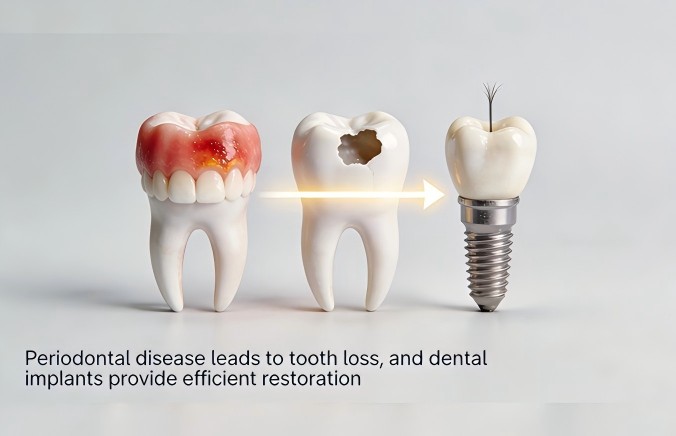
A common belief among many older adults is that "as long as my teeth don't hurt, everything is fine." While this mindset is widespread, it represents a classic misconception. The reality is that many oral health issues—such as gingivitis and periodontal disease—present almost no noticeable discomfort during their early stages, often developing silently and insidiously. By the time pain, swelling, or even tooth looseness actually manifests, the underlying problem has typically become quite severe and significantly more complex to treat. Furthermore, when gums bleed during brushing, many people simply attribute it to "internal heat" (a concept in traditional medicine) or brushing too vigorously; in truth, this is often an early warning sign of gum inflammation. If ignored over the long term, the condition will not resolve on its own; instead, it may gradually progress into full-blown periodontal disease, potentially leading to tooth looseness and eventual tooth loss. Therefore, rather than waiting for pain to strike before seeking treatment, it is far more scientifically sound to cultivate a habit of undergoing regular dental check-ups and remaining vigilant regarding "minor signals" such as bleeding gums.
II. Inadequate Denture Cleaning
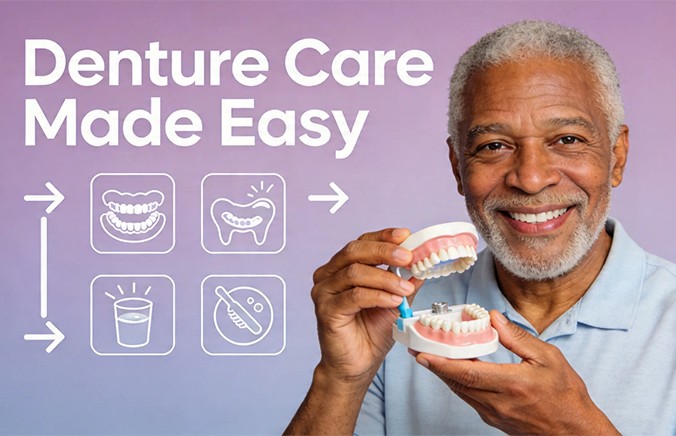
Although many older adults are accustomed to wearing removable dentures, they frequently overlook the critical importance of proper cleaning. Some individuals merely rinse their dentures with water before putting them back in, failing to perform regular deep cleaning. This practice creates an environment where bacteria can easily proliferate on the denture surfaces, eventually leading to bad breath, gum inflammation, and even oral infections over time. Additionally, for the sake of convenience, quite a few older adults choose not to remove their dentures while sleeping at night—a habit that is actually detrimental to oral health. Wearing dentures continuously for extended periods subjects the oral mucosa (the lining of the mouth) to constant pressure without allowing it adequate time to rest, thereby increasing the risk of localized inflammation or discomfort. Therefore, the correct approach is to remove dentures daily for a thorough cleaning and to allow the mouth ample "rest time" during the night. This practice not only extends the lifespan of the dentures but also provides better protection for overall oral health.
Advertisement
Advertisement
Tips For Getting Free Dental Work
1. Be prepared to provide documentation of your income and place of residence.
Many free dental clinics require patients to provide proof of income and residence in order to qualify for services.
2. Call ahead to schedule an appointment.
Most free dental clinics require patients to make an appointment in advance.