Oral health
More Than Just Brushing: The Most Easily Overlooked Details in Oral Care for the Elderly
20mins Read
Last Updated :Advertisement
III. Neglecting Dry Mouth Issues
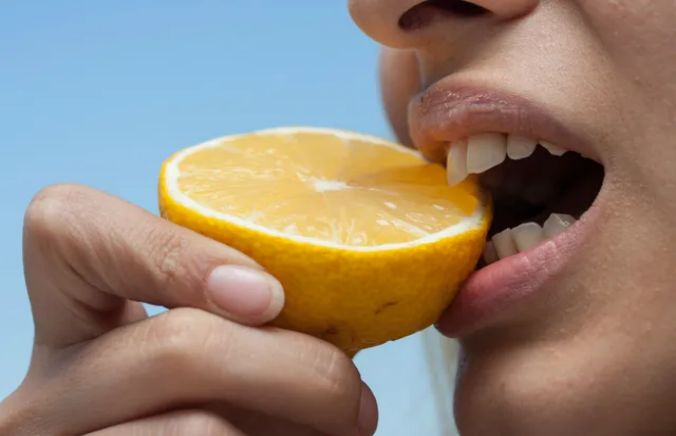
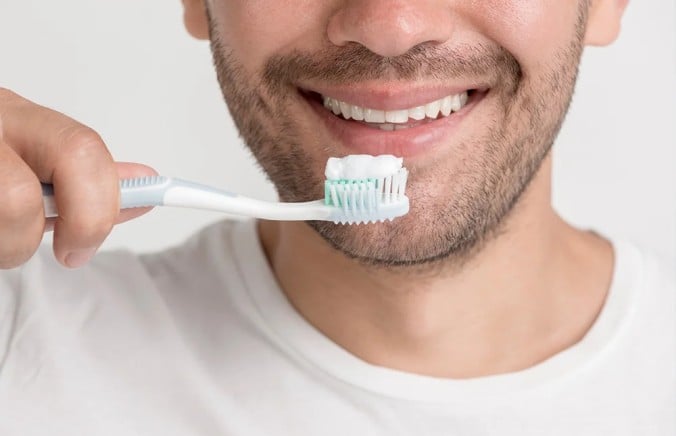
As we age, dry mouth is a condition that is very easily overlooked. Many people assume that dry mouth is merely a normal occurrence that can be resolved simply by drinking some water; however, saliva plays a crucial role in the oral cavity—assisting with cleaning, inhibiting bacterial growth, and protecting the teeth, among other functions. Once saliva secretion diminishes, the oral environment becomes more susceptible to imbalance, thereby increasing the risk of tooth decay and infection. Furthermore, many older adults have maintained the same brushing technique for decades—for instance, brushing vigorously in a horizontal motion. This method is not only limited in its cleaning efficacy but can also damage the gums and even lead to the erosion of tooth surfaces. In contrast, adopting a gentler vertical brushing technique or a method involving small, vibrating motions is both safer and more effective at ensuring a thorough clean. Consequently, effective daily oral care requires paying attention to issues of dry mouth while simultaneously making appropriate adjustments to one's brushing technique.
IV. Sticking to an Unchanging Brushing Routine
Many people assume that simply brushing their teeth every day is sufficient; however, merely cleaning the surfaces of the teeth is far from adequate. The spaces between teeth are particularly prone to trapping food debris and bacteria; if these areas remain inadequately cleaned over time, they can easily become breeding grounds for oral health problems. Yet, in reality, many older adults are unaccustomed to using dental floss or interdental brushes—finding them either too troublesome or unfamiliar—and thus neglect this critical step. This issue is further compounded by changes in dietary habits; for instance, individuals with dental difficulties may opt for softer, stickier foods. Such foods tend to adhere more readily to tooth surfaces and crevices, and if not thoroughly removed, they can actually increase the likelihood of developing oral health issues. Therefore, alongside dietary adjustments, it is essential to simultaneously enhance one's cleaning regimen—for example, by selecting appropriate interdental cleaning tools—in order to truly mitigate potential risks.
IV. Neglecting Regular Oral Examinations
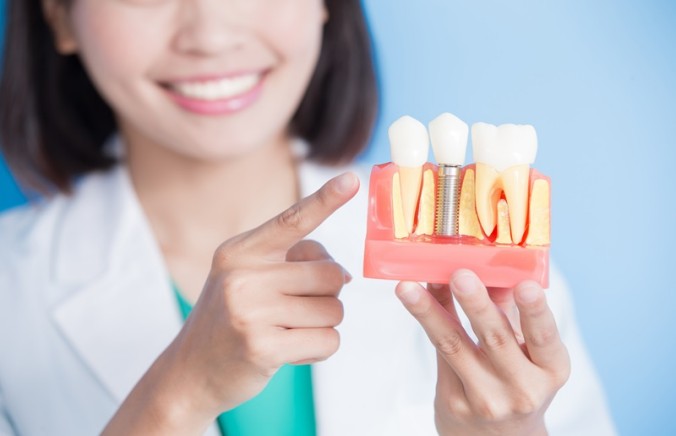
Regarding healthcare habits, many older adults still harbor the mindset that they should only visit a dentist when they are experiencing tooth pain. This is a perception that truly needs to be changed. The reality is that if many oral health issues are detected in their early stages, they are much simpler to treat, and the recovery outcomes are significantly better. If one delays seeking professional care until obvious discomfort arises, the optimal window for effective intervention has often already passed. Furthermore, some individuals tend to view loose or lost teeth as an inevitable consequence of natural aging—a phenomenon beyond their control—and consequently choose to simply ignore the issue. In reality, however, many such problems can be significantly improved, or even entirely prevented, through proper dental care and timely treatment. Therefore, making regular dental check-ups a habit is highly worthwhile; it serves not merely as a preventive measure, but as an investment in one's overall quality of life.
Advertisement
Advertisement
Tips For Getting Free Dental Work
1. Be prepared to provide documentation of your income and place of residence.
Many free dental clinics require patients to provide proof of income and residence in order to qualify for services.
2. Call ahead to schedule an appointment.
Most free dental clinics require patients to make an appointment in advance.