Oral health
Are Your Gums Affecting Your Heart? The Often-Overlooked Connection Between Oral and Cardiac Health
15mins Read
Last Updated :Advertisement
The Hidden Connection Between Oral Health and Hear
Many people believe oral health is solely about teeth and gums, while heart disease belongs to a completely different realm of health. However, growing medical research indicates a close link between oral health and heart health. Gum disease, in particular, can have potential impacts on the cardiovascular system if left untreated for long periods. For people nationwide, understanding the relationship between oral and cardiac health is particularly important due to changes in dietary patterns, increased life stress, and variations in healthcare access. Prioritizing oral health not only protects teeth but may also help reduce the risk of cardiovascular disease to some extent.
Gum Disease: The Critical Link
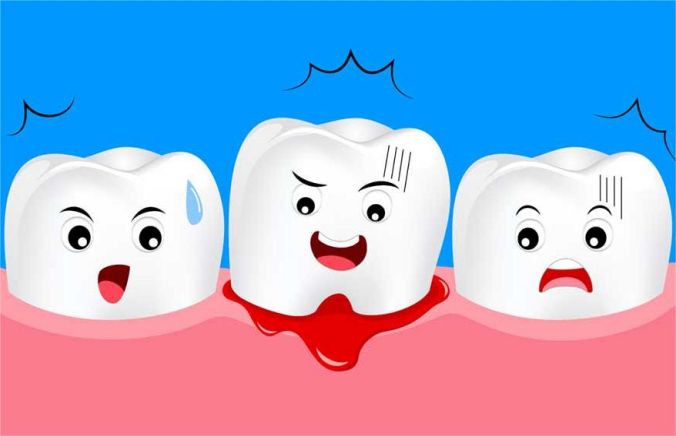
First, it's essential to understand that gum disease serves as a vital bridge connecting oral and heart health. Gum disease is typically caused by plaque buildup. As bacteria multiply along the gumline, they trigger inflammation, bleeding, and swelling of the gums. If left untreated, mild gingivitis can progress to more severe periodontitis. Periodontitis not only damages gum tissue but can also harm the bone structure supporting teeth. More critically, it allows oral bacteria to enter the bloodstream more easily, potentially affecting other organs throughout the body—including the heart.
The Impact of Oral Bacteria Entering the Bloodstre
When oral bacteria enter the bloodstream, the body initiates an immune response to combat these foreign microorganisms. This immune reaction triggers inflammation, and chronic inflammation is a significant contributing factor to many cardiovascular diseases. Prolonged inflammation may cause changes in blood vessel walls, gradually narrowing or hardening the arteries, thereby increasing the risk of heart disease and stroke. While oral bacteria do not necessarily directly cause heart disease, they can serve as an important trigger for cardiovascular problems.
Research has found that periodontal disease is ass
Numerous medical studies have also revealed that individuals with severe periodontal disease often face a higher probability of developing heart disease. Some research indicates that periodontitis patients may have a greater risk of coronary heart disease compared to those with healthy oral conditions. This finding has drawn significant attention within the medical community, as it suggests that maintaining oral hygiene is not merely a matter of quality of life but may also be closely linked to overall health. For people nationwide, long-term neglect of dental cleaning or lack of regular dental check-ups can easily increase the risk of periodontal disease.
Long-Term Effects of Inflammation on the Vascular
The impact of oral inflammation on the vascular system also warrants attention. When gums remain inflamed, inflammatory factors may spread through the bloodstream to other parts of the body. These inflammatory substances can promote damage to the inner lining of arteries, making cholesterol more likely to deposit on blood vessel walls and form arterial plaques. Over time, as these plaques gradually enlarge, they can obstruct blood flow and increase the risk of heart attack. While this process is typically the result of long-term accumulation, oral health undoubtedly plays a significant role in this development.
Advertisement
Advertisement
Tips For Getting Free Dental Work
1. Be prepared to provide documentation of your income and place of residence.
Many free dental clinics require patients to provide proof of income and residence in order to qualify for services.
2. Call ahead to schedule an appointment.
Most free dental clinics require patients to make an appointment in advance.