Dental insurance
Does Health Insurance Cover Dental Surgery?
12mins Read
Last Updated :Advertisement
Understanding Dental Surgery: What It Entails and
Before diving into the intricacies of insurance coverage, it is vital to understand what constitutes dental surgery, the different procedures available, and the factors that drive their high costs. This context explains why insurers often treat dental surgery differently from standard medical procedures.
1.1 Categories of Dental Surgery
Dental surgery is not a one-size-fits-all term. It can be divided into several categories, each with distinct implications for insurance coverage:
Routine Dental Surgery: This includes simple tooth extractions, removal of deeply decayed teeth, and incision of an abscess to drain infection. These are often performed in a dentist's office under local anesthesia.
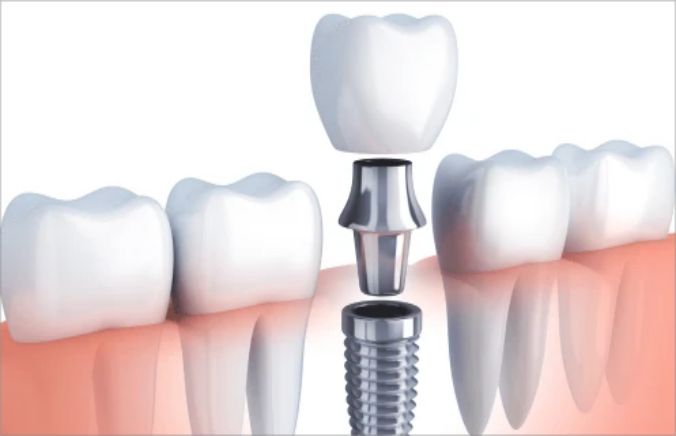
Complex Oral Surgery: This involves more invasive procedures, such as wisdom tooth removal (especially those impacted under the gumline), bone grafting, sinus lifts (to prepare for dental implants), and surgical placement of dental implants. These may require sedation or general anesthesia and are typically performed by an oral and maxillofacial surgeon.
Maxillofacial Surgery: This is the most specialized and complex category, involving corrective jaw surgery (to fix malocclusions or skeletal abnormalities), treatment of facial trauma (fractures), removal of large cysts or tumors, and surgery for cleft lip and palate. These procedures are often hospital-based and carry significant risks and costs.
1.2 The High Cost of Dental Surgery
The expense of dental surgery is a primary barrier to access and a key reason for limited insurance coverage. Costs are driven by:
Specialist Expertise: Complex surgeries require the skills of an oral surgeon, an orthodontist, or a maxillofacial surgeon—professionals with extensive training and higher fees.
Anesthesia and Facilities: Many surgeries require general anesthesia or IV sedation, which adds thousands to the cost. Hospital-based procedures also incur facility fees.
Materials and Technology: Implants, bone grafts, and custom prosthetics use high-tech, biocompatible materials. Advanced imaging (CT scans, 3D imaging) is often required for planning.
Duration of Treatment: Orthognathic (jaw) surgery, for example, can cost $20,000 or more, including pre-and post-operative care. A single wisdom tooth extraction can range from $150 to $650, while an impacted one can exceed $1,000.
Why Dental Surgery Is Rarely Covered by Standard H
Standard health insurance plans almost never cover the full cost of dental surgery, and in many cases, they cover none of it. This exclusion stems from historical, economic, and regulatory factors that have shaped global healthcare systems.
2.1 The Historical Split Between Medicine and Dentistry
The division between medical and dental care dates back to the 19th century, when dentistry emerged as an independent profession. For much of its history, dentistry was viewed as a "trade" rather than an essential part of medicine. Health insurance plans, designed initially to cover life-threatening illnesses and hospitalizations, did not include dental services. This separation persists in most insurance structures today.
2.2 Economic Justification: Cost Control
Insurance providers exist to manage risk and keep premiums affordable. Covering comprehensive dental surgery would significantly increase payouts, driving up costs for all policyholders. Insurers argue that dental surgery is often preventable (through proper oral hygiene) or that less expensive alternatives exist (for non-urgent cases). Thus, they limit coverage to contain expenses.
2.3 Classification: "Elective" vs. "Medically Necessary"
The crux of coverage lies in classification. Insurers almost always label cosmetic or elective dental surgery as non-essential. This includes procedures like jaw surgery purely for aesthetic straightening, or veneer placement. However, when surgery is deemed medically necessary to treat disease, restore function, or address trauma, coverage may be available—though often only partially.
2.4 Structural Differences in Dental vs. Health Insurance
Most health insurance plans do not have the built-in infrastructure to cover dental procedures. Dental coverage is almost always offered via a separate, standalone dental insurance policy. These policies use different models: tiered coverage (preventive, basic, major), annual maximums (often $1,000–$3,000), and waiting periods. Dental surgery falls into the "major" category, which is the least covered tier.
Advertisement
Advertisement
Tips For Getting Free Dental Work
1. Be prepared to provide documentation of your income and place of residence.
Many free dental clinics require patients to provide proof of income and residence in order to qualify for services.
2. Call ahead to schedule an appointment.
Most free dental clinics require patients to make an appointment in advance.