Tooth KnowLedge
What to eat to improve dental health?
15mins Read
Last Updated :Advertisement
First: The Golden Rule of Dental-Friendly Eating
Before we get into the specific foods, let’s start with the one rule that makes everything easier: focus on foods that strengthen your teeth, neutralize acid, and keep your mouth clean—without feeding the bad bacteria. That’s it. No complicated rules, no calorie counting, just common sense.
Here’s the quick science : Your mouth is full of bacteria—some good, some bad. The bad ones love sugar and starches; when they eat those, they produce acid that eats away at your tooth enamel (the hard outer layer that protects your teeth from cavities). Over time, that acid causes cavities, sensitive teeth, and even gum disease. The good news? Certain foods fight those bad bacteria, strengthen your enamel, and help your mouth stay balanced.
The key isn’t to cut out all sugar or carbs . It’s to choose foods that work WITH your mouth, not against it. And when you do indulge in something sweet or starchy, there are easy ways to minimize the damage (we’ll get to that later). For now, let’s start with the foods you should be adding to your diet ASAP—they’re tasty, easy, and great for your smile.
Dairy: The Unsung Hero of Strong Teeth
If you’re a fan of milk, cheese, or yogurt, you’re already winning at dental health—without even trying. Dairy products are packed with two super minerals: calcium and phosphorus. These are the building blocks of your tooth enamel and dentin (the layer under the enamel), and they’re essential for keeping your teeth strong and resistant to cavities. But that’s not all—dairy also has a secret weapon: casein, a protein that forms a thin, protective film over your teeth, blocking acid and bad bacteria from sticking around
Let’s break down the best dairy picks for your smile, and how to enjoy them (no boring plain milk required, unless you love that—no judgment):
Cheese: Your Teeth’s Best Friend
Cheese is hands down one of the best foods for your teeth. Not only is it loaded with calcium and phosphorus, but it also raises the pH level in your mouth, which neutralizes acid (remember, acid is the enemy of enamel). Plus, chewing cheese stimulates saliva production—and saliva is your mouth’s natural cleaner, washing away food particles and bacteria. Even better, the casein in cheese helps repair tiny, early signs of enamel wear (a process called remineralization) before they turn into cavities.
You don’t have to eat fancy cheeses, either. A slice of cheddar, mozzarella, or even string cheese as a snack works wonders. Try keeping a small bag of string cheese in your bag for a midday snack—way better for your teeth than a candy bar or a bag of chips. And if you’re having a meal, adding a few slices of cheese at the end can help neutralize any acid from things like tomatoes or citrus.
Plain Yogurt
Yogurt is another dairy star—especially plain, unsweetened yogurt. It’s packed with calcium and probiotics, which are good bacteria that help fight the bad bacteria in your mouth. Probiotics keep your mouth’s microbiome balanced, reducing the risk of gum disease and bad breath. But here’s the catch: flavored yogurts (strawberry, vanilla, chocolate) are loaded with added sugar, which cancels out all the good stuff. Those sugars feed the bad bacteria and create more acid—total counterproductive.
Instead, opt for plain Greek yogurt or regular plain yogurt. If it’s too tart for you, add a handful of fresh berries (we’ll talk about those next!) or a sprinkle of cinnamon—no added sugar needed. Eat it for breakfast, as a snack, or even as a topping for oatmeal. It’s creamy, filling, and great for your teeth—win-win.
Milk (Plain, Unsweetened)
Good old-fashioned milk is still a great choice for dental health. It’s rich in calcium and phosphorus, and it’s alkaline, so it neutralizes acid in your mouth. A glass of milk with breakfast or a small glass after a meal can help reset your mouth’s pH and protect your enamel. If you’re lactose intolerant, don’t worry—lactose-free milk has the same dental benefits, and fortified plant-based milks (like unsweetened soy or almond milk with added calcium) work too. Just make sure to check the label—some plant milks have no calcium, so they won’t help your teeth.
Pro tip: Avoid drinking milk right before bed without brushing. The lactose (natural sugar) in milk can sit on your teeth all night if you don’t brush, feeding bacteria. Drink it 30 minutes before bed, then brush your teeth—your smile will thank you.
Crunchy Fruits Veggies: Nature’s Toothbrushes
You’ve probably heard that crunchy fruits and veggies are good for your teeth, but do you know why? It’s not just a myth—these foods act like natural toothbrushes, scrubbing your teeth as you chew, which removes plaque and food particles. They also stimulate saliva production, which washes away bacteria and neutralizes acid. Plus, most of them are packed with vitamins and minerals that support gum health and strengthen enamel.
The best part? They’re easy to grab on the go, no prep needed. Let’s break down the top picks, and how to work them into your day:
Apples (An Apple a Day Keeps the Dentist Away—Sort Of)
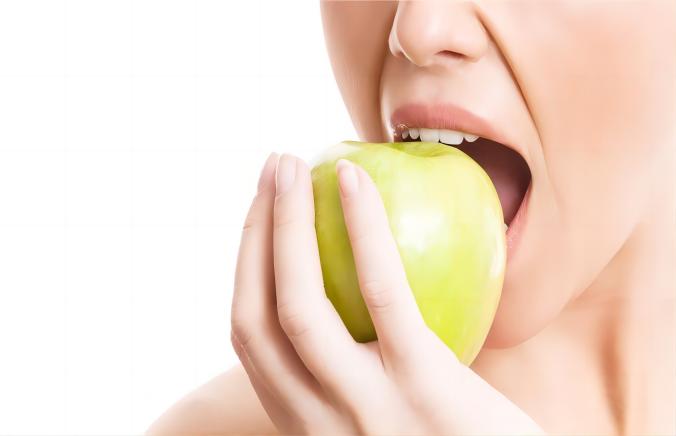
We’ve all heard the saying, and while it’s not 100% true (you still need to brush!), apples are great for your teeth. Their crunchy texture scrubs your teeth as you chew, and they’re high in fiber, which stimulates saliva. They also contain malic acid, a natural compound that helps brighten teeth (no expensive whitening strips needed!). Just make sure to eat them whole—apple juice is loaded with sugar and lacks the fiber that makes whole apples so good for your teeth. A medium apple as a snack is perfect—crunchy, sweet, and good for your smile.
Carrots Celery (Crunchy, Low-Cal, and Great for Teeth)
Carrots and celery are two of the best veggies for your teeth. They’re crunchy, high in fiber, and low in sugar—perfect for snacking. Chewing them stimulates saliva, and their texture helps scrub away plaque from the surface of your teeth. They’re also packed with vitamin A, which is essential for healthy gums and enamel. Keep baby carrots or celery sticks in your fridge for a quick snack—pair them with hummus (we’ll talk about that later!) for extra flavor, or eat them plain. They’re a great alternative to chips or candy when you’re craving something crunchy.
Strawberries Blueberries (Sweet, Tart, and Dental-Friendly)
Fruits are sweet, so you might be surprised they’re on this list—but berries are a special case. Strawberries are high in vitamin C (great for gums!) and contain malic acid, which helps whiten teeth naturally. Blueberries are packed with antioxidants, which fight inflammation and support gum health. The key is to eat them fresh, not dried or in a smoothie. Dried berries are loaded with sugar and stick to your teeth, and smoothies (even homemade ones) have a lot of sugar and are liquid, so they coat your teeth in acid. A handful of fresh berries as a snack or added to yogurt is perfect—sweet, tasty, and good for your teeth.
Spinach Leafy Greens (Don’t Knock ‘Em—They’re Great for Gums)
I know, spinach might not be the most exciting food, but it’s a powerhouse for dental health. It’s loaded with calcium, iron, and vitamin C—all essential for strong teeth and healthy gums. Vitamin C helps prevent gum disease by supporting collagen production, which keeps your gums strong and prevents them from bleeding or receding. Spinach is also low in sugar and high in fiber, so it’s gentle on your teeth. Add it to salads, smoothies (in small amounts, so you don’t overload on sugar), or even sauté it with eggs for breakfast. It’s easy to sneak into meals, and your gums will thank you.
Advertisement
Advertisement
Tips For Getting Free Dental Work
1. Be prepared to provide documentation of your income and place of residence.
Many free dental clinics require patients to provide proof of income and residence in order to qualify for services.
2. Call ahead to schedule an appointment.
Most free dental clinics require patients to make an appointment in advance.