Tooth KnowLedge
Can Regular Teeth Cleaning Improve Dental Health?
15mins Read
Last Updated :Advertisement
What Happens If You Skip Regular Cleanings?
It’s one thing to know the benefits—it’s another to understand the consequences of skipping cleanings. Let’s paint a real picture of what can happen if you go too long without a professional cleaning.
1. Tartar Buildup Leads to Permanent Damage
Tartar is hard, calcified plaque. Once it forms, it can’t be removed with brushing or flossing. It acts like a sponge, absorbing more bacteria and acid, which slowly damages your teeth and gums.
Over time, tartar buildup causes gingivitis, then periodontitis. As the gums recede, you might notice spaces between your teeth and your gums, or your teeth might feel loose. This damage is irreversible in many cases.
2. Cavities Develop and Spread
Plaque that’s left untreated for months will eventually form cavities. A small cavity might not hurt, but if it’s not filled, it will grow deeper, into the dentin (the layer under the enamel), and then into the pulp (the nerve center). This causes severe pain and can lead to an infection, which might require a root canal or even tooth removal.
3. Bad Breath Becomes Chronic
As mentioned earlier, the bacteria that cause bad breath thrive in the plaque and tartar that build up between cleanings. The longer you go without a cleaning, the worse the breath becomes, and the harder it is to fix.
4. You’ll Miss Early Warning Signs
Dental problems often start silently. A small cavity, early gum disease, or even oral cancer can show up in a routine exam. If you skip cleanings, you miss the chance to catch these issues early, when they’re easiest and cheapest to treat.
5. Your At-Home Routine Becomes Less Effective
If your teeth are covered in tartar and plaque, your brushing and flossing will be less effective. You’ll have to work harder to keep your mouth clean, and you’ll still end up with more buildup. It’s a vicious cycle.
How Often Should You Get Your Teeth Cleaned?
Now that you know why it’s important, you might be wondering, “How often do I really need to go?” The short answer is twice a year for most people. But it’s not a one-size-fits-all rule. Your dentist will recommend a frequency based on your individual oral health.
For Most People (Good Oral Health, No Major Issues)
Twice a year (every 6 months) is the standard recommendation. This is enough time to prevent most plaque and tartar buildup and catch any small issues before they become big ones.
For People With Specific Needs
Some people need more frequent cleanings—every 3 to 4 months. This includes:
People with gum disease (periodontitis)
Heavy smokers or tobacco users
People with diabetes (which increases gum disease risk)
People with weak immune systems
People with a history of frequent cavities
People with braces or other dental appliances (which trap more plaque)
Your dentist will let you know if you’re in this group. It’s not a punishment—it’s because your mouth needs extra care to stay healthy.
What to Expect During a Regular
If you’re nervous about cleanings, let’s ease those worries. Professional cleanings are quick, painless, and even kind of relaxing (for the most part). Here’s a step-by-step look at what your appointment will be like:
1. Check-In
You’ll arrive, check in, and maybe fill out a quick form (or do it online ahead of time). The front desk will call you back, and you’ll head to the treatment room.
2. The Exam
Your hygienist or dentist will sit down with you and ask about any dental issues you’ve had lately—pain, sensitivity, bleeding gums, etc. Then they’ll use a small mirror to check your teeth and gums. This is quick and usually painless.
3. The Cleaning
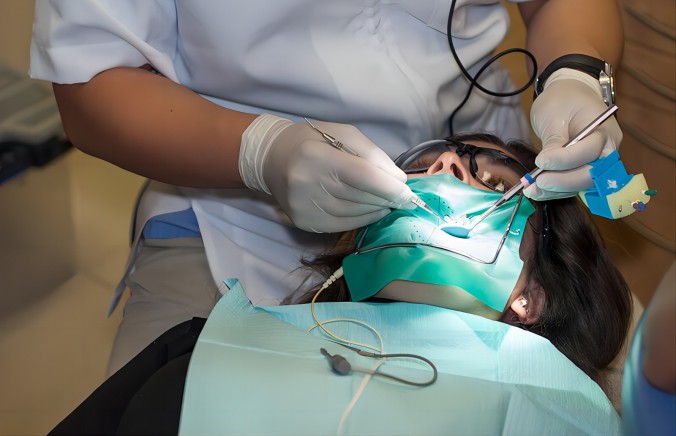
This is the main part, and it’s usually done by a hygienist. They’ll use a scaler (a small tool) to remove tartar from your teeth and along the gumline. Then they’ll use an ultrasonic cleaner, which vibrates and uses water to blast away plaque and tartar. It feels a little like a vibrating brush in your mouth, but it’s not painful.
4. Polishing
Next, they’ll polish your teeth with a special toothpaste (it tastes like mint, usually) and a rubber cup or brush. This is the part that makes your teeth feel super smooth and clean.
5. Flossing
Your hygienist will floss between each of your teeth to remove any leftover debris. This is a gentle step, and it’s important to make sure no food particles are stuck.
6. Optional Treatments
If needed, they might apply a fluoride treatment (it’s a gel or foam that you rinse out after a minute) or apply sealants to your back teeth. These are quick and painless.
7. The Check-Out
Your dentist will do a final check, then the hygienist will go over your oral health and give you tips on how to improve your at-home routine. Then you’re done!
The whole appointment usually takes between 30 and 60 minutes, depending on how much cleaning you need. It’s a quick break from your day, and it’s worth every minute.
Advertisement
Advertisement
Tips For Getting Free Dental Work
1. Be prepared to provide documentation of your income and place of residence.
Many free dental clinics require patients to provide proof of income and residence in order to qualify for services.
2. Call ahead to schedule an appointment.
Most free dental clinics require patients to make an appointment in advance.