Dental insurance
Are Dental Implants Covered by Health Insurance?
12mins Read
Last Updated :Advertisement
Understanding Dental Implants: Why They’re a Uniqu
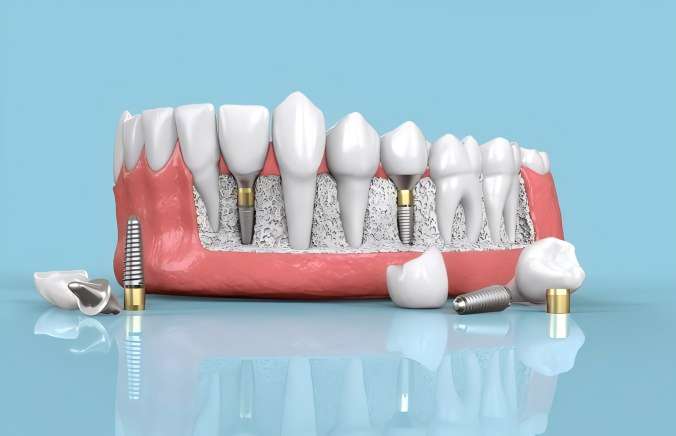
Before diving into insurance coverage, it’s essential to understand what dental implants are and why they differ from other dental procedures—factors that directly impact how insurers classify and cover them. A dental implant is a small, biocompatible post (typically made of medical-grade titanium, the same material used in joint replacements and heart stents) surgically inserted into the jawbone to replace the root of a missing tooth. Once the implant fuses with the bone (a process called osseointegration), a crown, bridge, or denture is attached to restore the tooth’s appearance and function. Unlike dentures, which require frequent adjustments and replacement, or bridges, which rely on adjacent teeth for support, implants are permanent, with a 99.13% success rate when placed by experienced providers using high-quality materials.
What makes implants unique—and often expensive—is their combination of surgical complexity, long-term durability, and materials cost. A single implant (including the post, abutment, and crown) can cost anywhere from $700 to $4,000 globally, with full-arch “all-on-4” implants ranging from $8,000 to $30,000 per jaw, depending on the region and materials used. This high cost is one of the primary reasons insurance coverage is limited. Additionally, implants are often categorized as “restorative” or “elective” rather than “medically necessary,” a distinction that insurers use to justify excluding or limiting coverage. However, modern research highlights that implants are more than just a cosmetic solution—they restore chewing function, improve digestion, prevent jawbone loss and facial collapse, and support overall oral and systemic health.
It’s also important to distinguish between the components of an implant procedure, as coverage may vary for each part: the implant post (the titanium screw inserted into the jaw), the abutment (the connector between the post and the crown), the crown (the visible, tooth-like restoration), and any additional procedures (such as bone grafting, which may be needed if the jawbone is too thin to support the implant). Some insurance plans may cover one component but not others, adding another layer of complexity for patients.
Why Dental Implants Are Rarely Covered by Standard
The core reason dental implants are rarely included in standard health insurance plans boils down to three key factors: cost, classification, and historical separation between dental and medical care. Understanding these factors helps explain why even comprehensive health plans often exclude implants—and why coverage is usually limited to specific, narrow circumstances.
First, cost control is a top priority for insurance providers. Dental implants are among the most expensive dental procedures, and covering them comprehensively would significantly increase health insurance premiums. Insurers typically design standard health plans to cover acute, life-threatening medical conditions (such as surgeries, illnesses, and chronic disease management) rather than elective or restorative dental treatments. Since implants are not considered “life-saving,” they are often relegated to standalone dental insurance plans or excluded entirely. This is especially true in countries with private insurance markets, where premiums are closely tied to the scope of coverage.
Second, insurers classify dental implants as “elective” or “cosmetic” in many cases, even though they provide functional benefits. While implants restore chewing function and prevent bone loss, insurers often argue that alternative, less expensive treatments (such as dentures or bridges) are available, making implants a “choice” rather than a medical necessity. This classification is a holdover from historical distinctions between dentistry and medicine, where dentistry was viewed as a “skilled trade” rather than an integral part of healthcare. This separation dates back to the 19th century, when dentistry became an independent profession separate from medicine, and it persists in modern insurance systems worldwide.
Third, the structure of dental insurance differs from health insurance. Most dental plans use tiered coverage (preventive, basic, major) with annual maximums, waiting periods, and coinsurance—structures that are not designed to accommodate the high cost of implants. Even standalone dental plans often limit coverage for implants, as they exceed typical annual maximums (which usually range from $1,000 to $3,000 in the U.S. and similar amounts in other countries). For example, a single implant can cost more than the annual maximum of many dental plans, meaning patients would still bear the majority of the cost even if coverage is available.
Finally, health insurance systems worldwide prioritize “essential” care, and implants are often not considered essential for basic health. While oral health is increasingly linked to systemic health (gum disease, for example, is associated with heart disease, diabetes, and stroke), insurers have been slow to integrate dental and medical coverage. This disconnect means that even procedures that support overall health—like implants—are not always recognized as medically necessary.
Advertisement
Advertisement
Tips For Getting Free Dental Work
1. Be prepared to provide documentation of your income and place of residence.
Many free dental clinics require patients to provide proof of income and residence in order to qualify for services.
2. Call ahead to schedule an appointment.
Most free dental clinics require patients to make an appointment in advance.