Tooth KnowLedge
It turns out there are so many types of teeth!
10 mins Read
Last Updated :Advertisement
Front teeth
The name "incisor" comes from the Latin word "incidere," meaning "to cut." This reflects the primary function of these teeth. The incisors have sharp, chisel-like biting surfaces that are flat and suitable for shearing or cutting food. The edges of these teeth are sharp enough to effectively bite off portions of food, but they are not suitable for grinding or crushing, tasks left to the molars and premolars.
Structurally, incisors have only one root, while molars and premolars have multiple roots. The upper incisors are usually larger and more prominent than the lower incisors. They are more visible when we smile or talk and contribute significantly to the beauty of the smile.
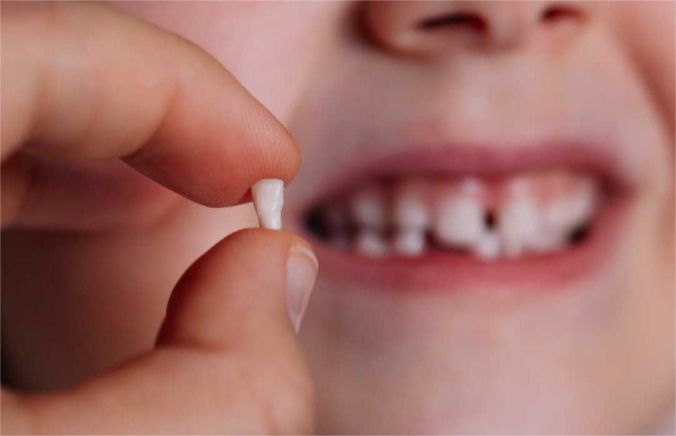
Like other teeth, incisors develop in two stages. The primary or "baby" incisors appear first, usually between six months and one year of age. These incisors are then replaced by permanent or "adult" incisors between the ages of six and eight.
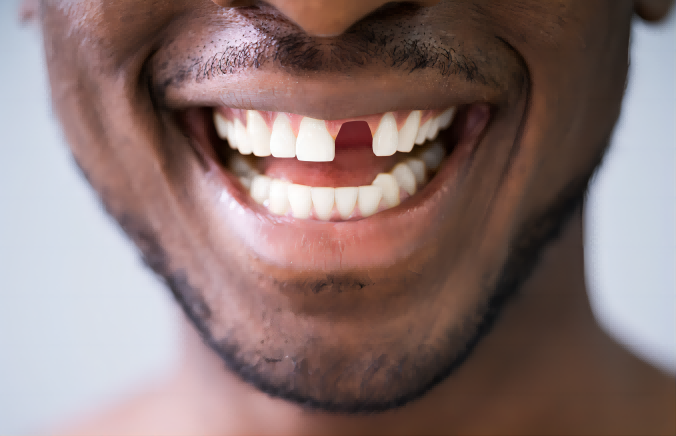
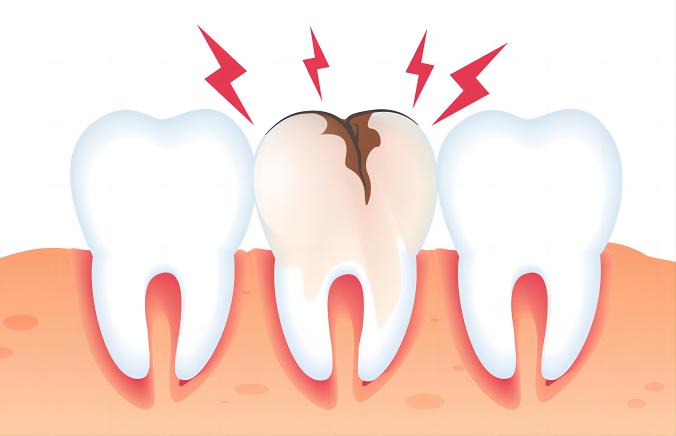
When it comes to dental health, front teeth are susceptible to decay and damage, primarily because they are the first point of contact for food and drink. Consuming sugary or acidic foods and drinks can cause tooth enamel to erode, leading to tooth decay. Regular brushing, flossing, and dental checkups help keep your front teeth healthy and ensure their longevity.
Canine teeth
Canine teeth, also called canines, are an important part of human dental anatomy. Named for their resemblance to dog fangs, human canines are slightly pointed teeth located on either side of our four front incisors. Each adult has four canine teeth, two in the upper jaw and two in the lower jaw.
Canine teeth are primarily used to firmly hold or grasp food and tear it into pieces. While they're not as sharp as the canines of carnivores, which are designed to shred meat, our canines are sharper and longer than our incisors and premolars, making them ideal for their purpose .
In addition to their functional role, canine teeth also play an important role in shaping the shape and appearance of our smiles. Because of the length and unique shape of canine teeth, they guide our bite and help keep the upper and lower jaws aligned. They can also affect speech, especially making certain sounds.
Canine teeth are usually the second permanent tooth to erupt after the incisors, usually around the age of 10 to 12 years. They have a very long root, which is typically the longest of all our teeth, and is anchored deeply into the jawbone, giving them extra strength and stability.
Like all teeth, canines are susceptible to dental problems, including decay, fractures, and gum disease. Regular dental hygiene habits such as brushing, flossing, and regular dental checkups can help keep canines healthy and extend their lifespan.
Premolars
Premolars, also called bicuspids, are located between the canines and molars on the upper and lower dental arches. These teeth are characterized by their unique bicuspid morphology, which distinguishes them from the adjacent incisors, canines, and molars. Adults typically have a total of eight premolars, four in each arch, evenly distributed on both sides of the mouth.
The primary function of the premolars is to facilitate the initial stages of food processing and grinding, supplementing the cutting and tearing actions of the incisors and canines. Their bi-pronged structure effectively crushes and grinds food particles, helping to break down ingested food into smaller, more digestible pieces. This grinding action is especially important when processing tougher or fibrous foods, which require a lot of chewing power to make them easily digestible.
Premolars also contribute significantly to the aesthetics of your smile and facial appearance. These teeth are located within the smile line and are often visible during social interactions, making them an important determinant of overall smile aesthetics. Their size, shape, arrangement and color can significantly affect an individual's smile aesthetics, impacting confidence and self-esteem.
Advertisement
Advertisement
Tips For Getting Free Dental Work
1. Be prepared to provide documentation of your income and place of residence.
Many free dental clinics require patients to provide proof of income and residence in order to qualify for services.
2. Call ahead to schedule an appointment.
Most free dental clinics require patients to make an appointment in advance.