Dental Implant
Dental implants are not a one-time fix; proper aftercare is equally crucial.
15mins Read
Last Updated :Advertisement
III. Scientific Maintenance: Four Key Points to Extend the Lifespan of Dental Implants
1. Meticulous Cleaning to Prevent Bacterial Growth
Daily cleaning differs from that of natural teeth, as the gaps around implants are more prone to trapping food debris. It is recommended to use a soft-bristled toothbrush and the Bass brushing technique to clean the tooth surface, using dental floss and interdental brushes to remove debris from adjacent surfaces. Avoid scratching the gums with hard objects. If possible, use a water flosser for deep cleaning of hidden gaps. Never use coarse toothpicks, as they can easily scratch the gums and cause bacterial infection. Cleaning before bed is especially important; never sleep with food debris on your teeth.
2. Control Diet and Avoid Bad Biting Habits
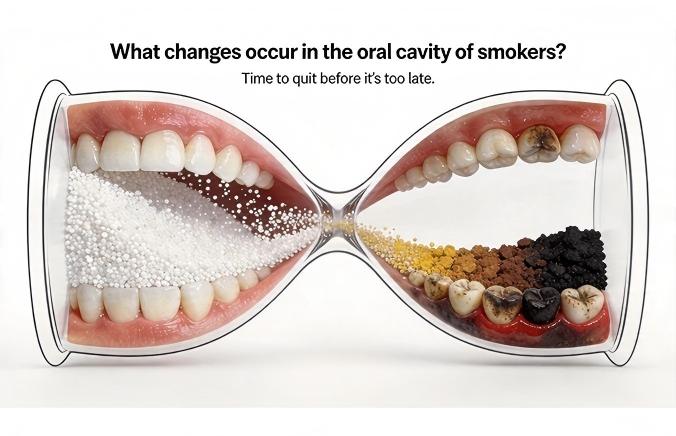
The first three months after surgery are a critical period for osseointegration. Strictly avoid hard and sticky foods. During the stabilization period, reduce biting on hard objects and try to cut food into pieces before eating. Also, break bad habits such as chewing on one side, biting a pen, and grinding your teeth to avoid uneven stress on the implant, which can cause wear and misalignment. In addition, long-term smoking can cause alveolar bone atrophy; it is recommended that people with dental implants quit smoking.
3. Attend Regular Follow-up Visits and Maintain Professional Oral Care: The routine follow-up schedule should not be disrupted. X-rays are required at 1 month, 3 months, and 6 months post-surgery to confirm osseointegration. After stabilization, follow-up visits should be scheduled every 6 months to 1 year. The dentist will professionally remove tartar and plaque that cannot be removed by daily brushing, check for loose crowns and screws, and promptly identify any potential problems. Professional cleaning is a maintenance method that cannot be replaced by home brushing
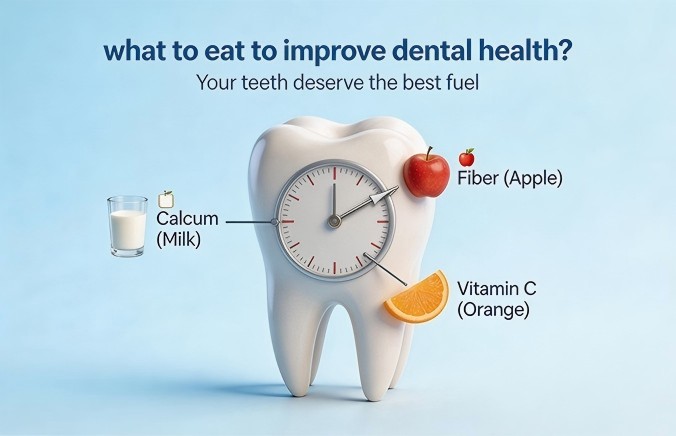
4. Maintain Overall Health and Reduce Oral Irritation: People with high blood pressure, diabetes, or osteoporosis have a significantly higher failure rate for dental implants than the general population. Daily management of blood sugar and blood pressure is necessary, along with consistent calcium and vitamin supplementation to improve alveolar bone quality. Maintaining a regular sleep schedule, avoiding spicy and irritating foods, and reducing recurring gum inflammation are also crucial for maintaining a stable oral environment.
IV. Warm Summary: Careful Maintenance is the Key to Long-Term Success
Dental implants are currently the closest restoration method to natural teeth, but they are more like a delicate medical instrument requiring meticulous care than an indestructible component. The high cost of implantation and the meticulous surgical procedure only lay the foundation for good dental health. Long-term, diligent maintenance is the key to the durability of dental implants.
Abandon the wishful thinking of a one-time fix. Adhere to scientific cleaning, a balanced diet, regular checkups, and correct bad oral habits. Only by treating dental implants well can they remain stable for a long time, protect daily chewing function, maintain oral health, and avoid the need for repeated, costly, and time-consuming secondary restorations.
Advertisement
Advertisement
Tips For Getting Free Dental Work
1. Be prepared to provide documentation of your income and place of residence.
Many free dental clinics require patients to provide proof of income and residence in order to qualify for services.
2. Call ahead to schedule an appointment.
Most free dental clinics require patients to make an appointment in advance.