Dental Implant
The relationship between dental implants and general health
12 mins Read
Last Updated :Advertisement
Periodontitis and systemic diseases
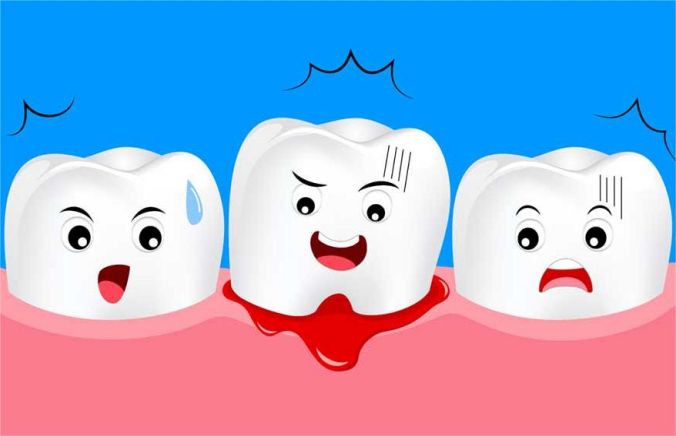
The relationship between periodontitis and systemic diseases has attracted much attention. Research shows that periodontitis may be closely related to a variety of systemic diseases. There is a link between cardiovascular disease and periodontitis, because the inflammation caused by periodontitis may aggravate atherosclerosis and thrombosis, and patients with diabetes are more susceptible to periodontal disease. Periodontitis, which in turn may make diabetes control more difficult, is also associated with conditions such as premature birth, low birth weight, and arthritis. This association may be due to the systemic effects of inflammation caused by periodontitis. Therefore, regular oral examinations and prevention of periodontitis are essential to maintaining general health. Prompt treatment of periodontitis not only contributes to oral health but may also prevent or reduce the risks associated with systemic disease.
The impact of dental implants on diabetic patients
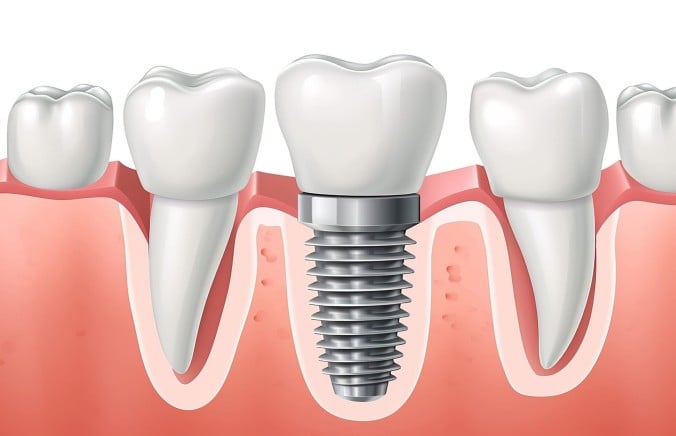
Diabetic patients often face the challenge of missing teeth, and dental implants are a common method of tooth restoration, and their impact is worthy of study. Research shows that dental implants have a positive impact on diabetic patients. Dental implants can improve the oral health and quality of life of diabetic patients. Tooth loss may lead to oral dysfunction and insufficient nutritional intake, while dental implants can restore chewing function and help improve eating habits. Dental implants can reduce the psychological stress and social barriers of diabetic patients. Restoring complete teeth can boost a patient's confidence and improve their social life. Dental implant surgery is generally safe and reliable, and is an effective dental restoration method for diabetics. However, diabetic patients need to fully understand the risks of surgery and fully communicate with their doctor before undergoing dental implant surgery.
The relationship between dental implants and cardi
Dental implants are a common method of restoring teeth, but their relationship to cardiovascular health is closely linked. People with periodontal disease tend to have a higher risk of cardiovascular disease. Dental implants can improve oral health and reduce the occurrence of periodontal disease, which may reduce the risk of cardiovascular disease and help maintain general health. The dental implant surgery itself may also have an impact on cardiovascular health, especially for those with cardiovascular disease. Risk groups. The surgical process may cause a certain degree of stress response, such as changes in the cardiovascular system. Therefore, the patient's cardiovascular status should be comprehensively assessed before dental implant surgery, and corresponding preventive measures should be taken during the surgery.
The relationship between dental implants and the r
Dental implant surgery is a common restorative procedure, but it may increase the risk of systemic infection. Oral wounds created during surgery serve as portals for bacteria to enter the blood circulation, leading to an increased risk of systemic infection. This risk is particularly apparent in patients with immune system deficiencies or other systemic diseases.
Although modern medical technology has greatly reduced the risk of infection, after dental implant surgery, it is still necessary to closely observe the wound for any abnormalities, such as redness, swelling, oozing, or pain. If these symptoms occur, you should report it to your doctor immediately so that timely measures can be taken to prevent the development of infection.
Patients need to strictly follow the doctor's care instructions after surgery, including gargling regularly, avoiding irritating foods and drinks, and taking antibiotics on time. These measures can help reduce the number of bacteria in oral wounds and reduce the risk of infection.
Advertisement
Advertisement
Tips For Getting Free Dental Work
1. Be prepared to provide documentation of your income and place of residence.
Many free dental clinics require patients to provide proof of income and residence in order to qualify for services.
2. Call ahead to schedule an appointment.
Most free dental clinics require patients to make an appointment in advance.