Dental Implant
Understand the relationship between dental implants and periodontitis
12 mins Read
Last Updated :Advertisement
Dental Implants and Periodontitis: Connections and
There is a close relationship between dental implants and periodontitis that requires further interpretation. After dental implant surgery, bacteria around the gums tend to breed. If oral hygiene is not good, these bacteria may cause periodontitis, thus threatening the health of the dental implant. Periodontitis causes inflammation and recession of the gum tissue, weakening the support of dental implants and making them prone to loosening and falling off. At the same time, periodontitis may cause alveolar bone resorption, causing the dental implant to lose sufficient bone support and affecting its long-term stability. Periodontitis can also form periodontal pockets, which can accumulate bacteria and food particles, causing further damage to the gum tissue and exacerbating dental implant health problems. Therefore, preventing periodontitis is crucial to maintaining the health of dental implants. Regular oral examinations and cleanings at the dentist and maintaining good oral hygiene habits, such as brushing, flossing and mouthwash, are effective ways to prevent periodontitis. Prompt treatment of periodontitis symptoms and maintaining oral health can help ensure the long-term success of dental implants
Analyze the interaction between dental implants an
There is a complex interaction between dental implants and periodontitis, which may affect the long-term stability of dental implants. The gum tissue of patients with periodontitis is prone to inflammation and recession, resulting in a lack of adequate support for the gums around the implant, thus affecting the stability of the dental implant.
On the contrary, dental implants may also become a hidden danger of periodontitis. Because dental implants are in contact with surrounding teeth and gum tissue, periodontitis bacteria may enter the alveolar bone through the gum space around the implant, causing the occurrence or aggravation of periodontitis.
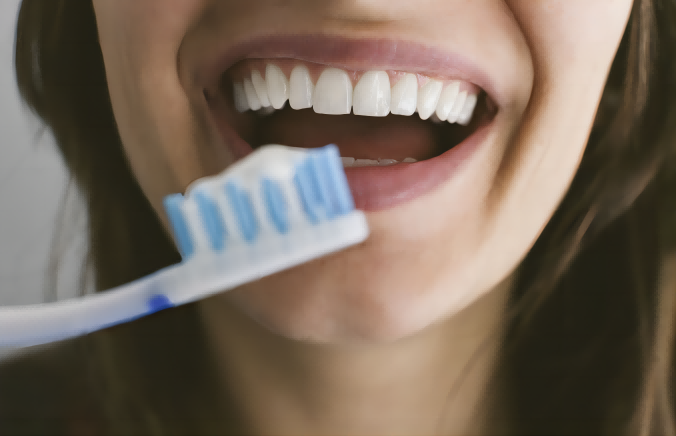
Therefore, preventing periodontitis is crucial to ensuring the long-term success of dental implants. Patients need to maintain good oral hygiene habits, including regular brushing, flossing and mouthwash to reduce the formation of plaque and calculus. Regular oral examinations and cleanings at the dentist are also important measures to prevent periodontitis. Detect and treat gum problems promptly to prevent them from developing into periodontitis.
Periodontitis challenges the long-term stability o
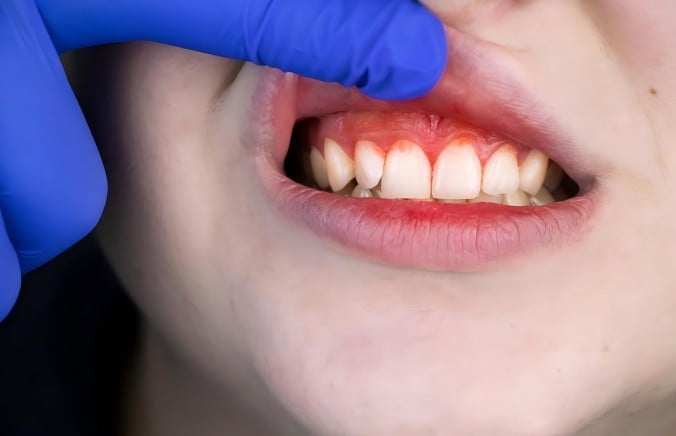
Periodontitis poses a significant challenge to the long-term stability of dental implants. Periodontitis is a chronic inflammatory disease that affects the supporting tissues of the teeth. If left untreated, it may lead to gum recession, alveolar bone resorption, and periodontal pocket formation, thereby affecting the stability of dental implants. Periodontitis will cause the gum tissue to recede, reducing the supporting tissue around the dental implant and losing sufficient support. In this case, the dental implant may become loose or fall off, affecting its long-term stability.
Alveolar bone resorption caused by periodontitis is also one of the challenges facing the long-term stability of dental implants. The loss of alveolar bone will result in a lack of adequate support at the implant site, making it impossible for the implant to be firmly implanted and prone to shifting or loosening.
The formation of periodontal pockets may also affect the long-term stability of dental implants. Periodontal pockets are a typical manifestation of periodontitis. Their formation changes the microenvironment around the teeth, which may lead to bacterial growth and further recession of the gum tissue, ultimately affecting the firmness and health of dental implants.
Advertisement
Advertisement
Tips For Getting Free Dental Work
1. Be prepared to provide documentation of your income and place of residence.
Many free dental clinics require patients to provide proof of income and residence in order to qualify for services.
2. Call ahead to schedule an appointment.
Most free dental clinics require patients to make an appointment in advance.