Tooth KnowLedge
What kind of health problems are caused by dental diseases
15mins Read
Last Updated :Advertisement
Pregnancy Complications: Why Dental Health Matters
If you’re pregnant or planning to get pregnant, listen up—your dental health is more important than ever. Not only can dental diseases affect your health, but they can also affect your baby’s health. In fact, untreated gum disease during pregnancy can lead to premature birth, low birth weight, and even pregnancy complications like preeclampsia.
Here’s why: when you’re pregnant, your body goes through a lot of changes—your hormones fluctuate, which can make your gums more sensitive and prone to inflammation. This is called pregnancy gingivitis, and it’s common. But if you don’t take care of it, it can turn into periodontitis (severe gum disease). The inflammation from periodontitis gets into your bloodstream, which can affect your uterus and placenta.
Research shows that women with severe gum disease are 7.5 times more likely to have a premature baby (a baby born before 37 weeks) than women with healthy gums. They’re also more likely to have a baby with low birth weight (less than 5.5 pounds). Premature babies and low birth weight babies are at higher risk for health problems like breathing issues, infections, and developmental delays.
Preeclampsia is another complication linked to gum disease. Preeclampsia is a serious condition that causes high blood pressure and damage to the kidneys during pregnancy. It can be life-threatening for both mom and baby. Studies have found that women with gum disease are more likely to develop preeclampsia than women with healthy gums.
The good news is that taking care of your dental health during pregnancy can reduce these risks. If you’re pregnant, make sure to visit your dentist for a checkup and cleaning. Brush twice a day, floss once a day, and avoid sugary snacks and drinks. Your dentist might also recommend a fluoride treatment to help prevent cavities. Taking care of your teeth isn’t just about you—it’s about keeping your baby healthy too.
Other Health Problems Caused by Dental Diseases
We’ve covered the big ones—heart disease, diabetes, dementia, respiratory problems, digestive issues, and pregnancy complications—but there are other health problems that dental diseases can cause too. These are the ones that fly under the radar, but they’re still important to know about.
First up: bad breath (halitosis). Okay, this one is pretty obvious, but it’s worth mentioning. Bad breath is usually caused by bacteria in your mouth, which thrive when you have cavities, gum disease, or food stuck between your teeth. But did you know that chronic bad breath can also be a sign of more serious dental problems? And if left untreated, it can affect your self-esteem and even your relationships.
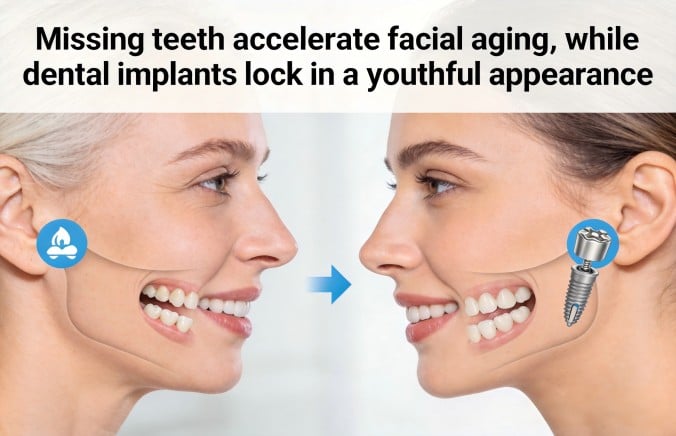
Next: tooth loss. This might seem like a given—if you have severe cavities or gum disease, you might lose your teeth. But tooth loss isn’t just about losing a tooth—it can affect your ability to eat, speak, and even your facial structure. When you lose a tooth, the bone in your jaw starts to shrink, which can make your face look sunken. It can also make it harder to chew, leading to digestive problems, and it can affect your speech (some people develop a lisp or have trouble pronouncing certain words).
Another one: oral cancer. While oral cancer has many causes (like smoking, drinking alcohol, or HPV), poor oral hygiene and untreated dental diseases can increase your risk. For example, if you have a sore or ulcer in your mouth that doesn’t heal for more than two weeks, it could be a sign of oral cancer. And if you have gum disease or cavities, the inflammation can damage the cells in your mouth, making them more likely to become cancerous.
Finally: joint pain. Believe it or not, dental problems can cause pain in your jaw joint (called temporomandibular joint disorder, or TMJ). If you have cavities or gum disease that cause pain when you chew, you might start chewing on one side of your mouth, which can put strain on your jaw joint. This can lead to jaw pain, headaches, and even neck and shoulder pain.
Advertisement
Advertisement
Tips For Getting Free Dental Work
1. Be prepared to provide documentation of your income and place of residence.
Many free dental clinics require patients to provide proof of income and residence in order to qualify for services.
2. Call ahead to schedule an appointment.
Most free dental clinics require patients to make an appointment in advance.