Tooth KnowLedge
How do fluoride promote dental health?
15mins Read
Last Updated :Advertisement
Fluoride Helps With Sensitive Teeth
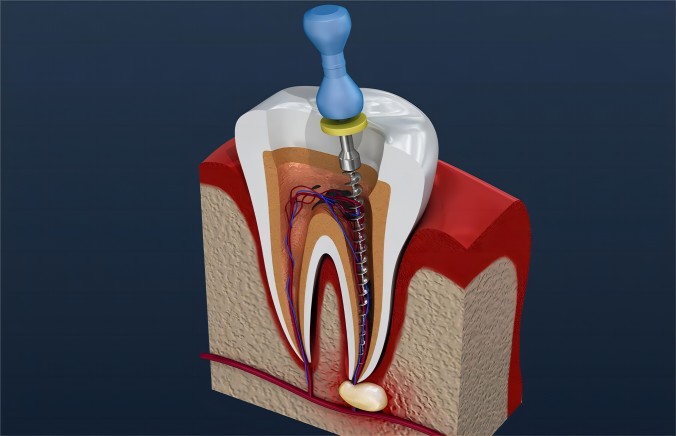
If you have sensitive teeth—you know, that sharp, zinging pain when you bite into an ice cream cone, drink a hot coffee, or even breathe in cold air—you’re not alone. Sensitive teeth are super common, and they’re usually caused by thin or damaged enamel. When the enamel is thin, the dentin (which has tiny tubules that lead to the nerve of the tooth) is exposed. When something cold, hot, or sweet touches those tubules, it sends a signal to the nerve, causing pain.
Guess what? Fluoride can help with that too. Here’s how: fluoride strengthens your enamel, making it thicker and less likely to wear away. As the enamel gets stronger, it covers up those exposed tubules, so the nerve isn’t as sensitive. It’s like plugging up the tiny holes in your teeth that are causing the pain.
There are even special fluoride toothpastes made specifically for sensitive teeth. These toothpastes have a higher concentration of fluoride, and they often contain other ingredients (like potassium nitrate) that help block the nerve signals and reduce sensitivity. I’ve used them myself—when I started using a fluoride toothpaste for sensitive teeth, I could finally eat ice cream without wincing. It’s a game-changer.
But even regular fluoride toothpaste can help with sensitivity over time. The key is to use it consistently. Brushing twice a day with fluoride toothpaste will slowly strengthen your enamel, and over a few weeks or months, you’ll notice that the sensitivity starts to fade. It’s not an overnight fix, but it’s a simple, affordable one that works.
Pro tip: If your sensitivity is really bad, talk to your dentist. They can give you a high-fluoride treatment that will help strengthen your enamel faster, or recommend a prescription fluoride toothpaste that’s even more effective. But for most people, regular fluoride toothpaste is enough to get relief.
Where Do You Get Fluoride?
Now that you know how amazing fluoride is, you’re probably wondering: where do I get it? The good news is, fluoride is everywhere—you don’t have to go out of your way to get it. Here are the most common sources of fluoride, and how to make sure you’re getting enough (without overdoing it).
Tap Water
One of the easiest ways to get fluoride is by drinking tap water. Most public water systems in the U.S. (and many other countries) add fluoride to the water to help protect people’s teeth. This is called “community water fluoridation,” and it’s been around since the 1940s. It’s one of the most effective public health measures ever—studies have shown that communities with fluoridated water have 25% fewer cavities than communities without it.
You don’t have to do anything special—just drink tap water instead of bottled water (most bottled water doesn’t have fluoride, unless it’s labeled “fluoridated”). If you’re not sure if your tap water has fluoride, you can check with your local water company—they’ll have information on the fluoride levels in your water.
Pro tip: If you use a water filter, make sure it doesn’t remove fluoride. Some filters (like reverse osmosis filters) remove fluoride, so if you’re using one of those, you might need to get fluoride from other sources (like toothpaste or supplements). Check the filter’s specifications to be sure.
Fluoride Toothpaste
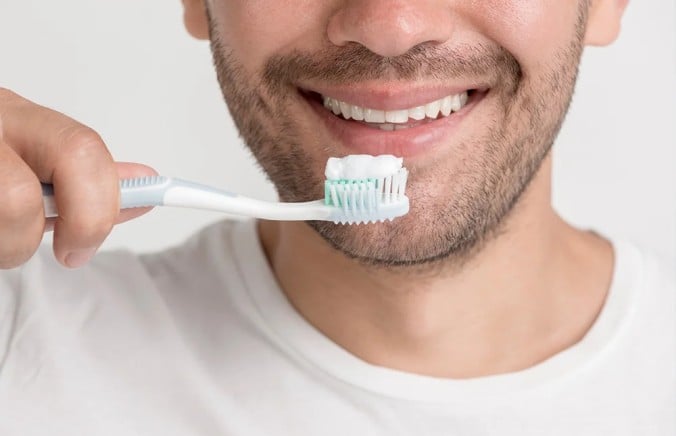
This is the most obvious source of fluoride—your toothpaste. Almost all toothpastes sold in stores contain fluoride, and for good reason. Brushing with fluoride toothpaste is the easiest way to get fluoride directly onto your teeth, where it can strengthen enamel and fight bacteria.
Here’s the thing: not all fluoride toothpastes are created equal. Look for toothpaste that has at least 1,000 ppm (parts per million) of fluoride—most adult toothpastes have between 1,000 and 1,500 ppm, which is perfect. For kids, use a toothpaste with 500 ppm for toddlers (1-3 years old) and 1,000 ppm for kids 4 and up. And yes, kids need fluoride too—their teeth are still growing, and fluoride helps strengthen them as they develop.
Pro tip: Don’t use too much toothpaste. For kids under 3, use a pea-sized amount (to prevent them from swallowing too much fluoride). For kids 3 and up, use a pea-sized to a dime-sized amount. And make sure to brush for two minutes, twice a day—this gives the fluoride time to work its magic on your teeth.
Fluoride Treatments at the Dentist
If you want an extra boost of fluoride, your dentist can give you a fluoride treatment during your checkup. These treatments are usually a gel, foam, or varnish that’s applied directly to your teeth. They have a much higher concentration of fluoride than toothpaste (usually 12,300 ppm or more), so they’re super effective at strengthening enamel and fighting early decay.
Dentists often recommend these treatments for kids, people with a high risk of cavities (like those who eat a lot of sugar, have dry mouth, or have weak enamel), and people with sensitive teeth. The treatment only takes a few minutes—you sit back, the dentist applies the gel or varnish, and you have to avoid eating or drinking for 30 minutes to an hour afterward, so the fluoride can fully absorb into your teeth.
These treatments are usually covered by insurance, especially for kids, so they’re a great way to get an extra layer of protection for your smile. Even if you brush and floss regularly, a fluoride treatment every six months can help keep your teeth extra strong.
Fluoridated Foods
You can also get small amounts of fluoride from certain foods. Some foods naturally contain fluoride, while others are fortified with it (like how milk is fortified with vitamin D). Here are some common foods that have fluoride:
- Fish: Especially canned fish like salmon and sardines (the bones are soft and edible, and they’re packed with fluoride).
- Tea: Both black and green tea contain fluoride—just don’t add too much sugar, which cancels out the benefits.
- Fruits and veggies: Some fruits and veggies (like apples, carrots, and spinach) absorb fluoride from the soil and water they’re grown in. They don’t have a lot, but every little bit helps.
- Fluoridated salt: In some countries (like Europe and parts of Asia), salt is fortified with fluoride, which is a great way to get fluoride if you don’t have fluoridated tap water.
You don’t have to go out of your way to eat these foods—just incorporating them into your diet every now and then will give you a little extra fluoride. And remember, the main sources are tap water and fluoride toothpaste—food is just a bonus.
Advertisement
Advertisement
Tips For Getting Free Dental Work
1. Be prepared to provide documentation of your income and place of residence.
Many free dental clinics require patients to provide proof of income and residence in order to qualify for services.
2. Call ahead to schedule an appointment.
Most free dental clinics require patients to make an appointment in advance.