Oral health
The Tiny Tongue Reveals the Whole Body's Health
15mins Read
Last Updated :Advertisement
III. Examining Tongue Shape: Identifying Organ Dysfunction and Physical Damage
Besides color and tongue coating, changes in tongue shape are often overlooked, yet they conceal crucial health risks. Tooth marks, cracks, and tongue deviation should not be ignored.
A tongue with obvious tooth marks along the edges, known as scalloped tongue, is a common problem among young people today. The tongue is swollen and edematous, with serrated marks formed by the teeth. The core cause is spleen deficiency and excessive dampness. The spleen and stomach cannot properly metabolize dampness, leading to water accumulation in the body and causing tongue swelling. Long-term untreated scalloped tongue can lead to recurring indigestion, edema, fatigue, and weakness, gradually developing into chronic gastrointestinal disorders.
Cracks of varying depths on the tongue can be congenital or acquired. Congenital shallow cracks are asymptomatic and nothing to worry about; however, acquired deep cracks that appear suddenly indicate dehydration and insufficient yin and blood. Cracks at the tip of the tongue correspond to yin deficiency of the heart and lungs, often accompanied by dry cough and dry throat; cracks in the middle of the tongue represent long-term weakness of the spleen and stomach, resulting in poor digestion and absorption; cracks at the root of the tongue are often related to liver and kidney deficiency, commonly seen in middle-aged and elderly people who are overworked and chronically deplete their energy.
The most urgent warning sign is a deviated tongue. A tongue that noticeably deviates to one side, with numbness and stiffness at the root, is a typical precursor to insufficient blood supply to the brain and stroke, especially prevalent in people with hypertension, hyperlipidemia, and the middle-aged and elderly. If this is observed, accompanied by numbness in the hands and feet, slurred speech, dizziness, and headaches, immediate medical attention is necessary to avoid delaying optimal treatment.
IV. Daily Tongue Care and Health Preservation: A Healthy Tongue Means a Healthy Body
Abnormalities in the tongue do not appear suddenly; they are mostly caused by the gradual accumulation of long-term unhealthy lifestyle habits. In addition to learning how to self-examine your tongue, simple daily care can gradually improve your tongue’s appearance and maintain overall health.
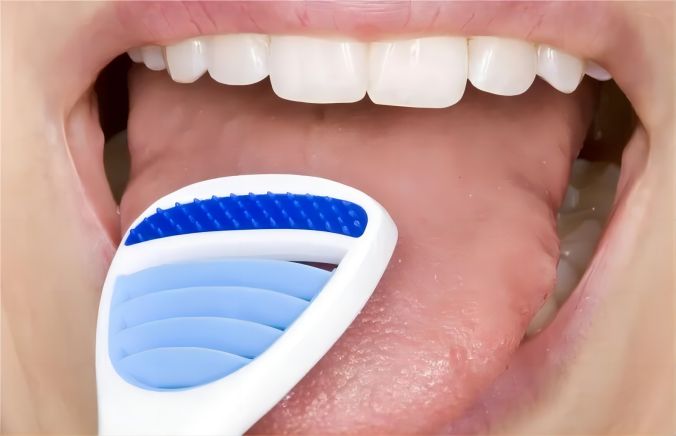
First, maintain good oral hygiene. When brushing your teeth, gently brush the surface of your tongue to remove food debris and bacteria, preventing excessive buildup of tongue coating and reducing bad breath and oral inflammation. Second, adjust your diet. For those with a damp constitution or a tongue with tooth marks, minimize consumption of raw, cold, sweet, and fried foods, and increase intake of spleen-nourishing and dampness-removing ingredients such as Chinese yam, Job’s tears, and pumpkin; For those with excessive internal heat and a red tongue, avoid spicy and stimulating foods, drink plenty of warm water daily, and incorporate ingredients like lily bulbs and lotus seeds to nourish yin and moisten dryness.
At the same time, maintain a regular sleep schedule and avoid prolonged late-night wakefulness, as staying up late depletes qi and blood, fuels internal heat, and directly exacerbates issues like a red tongue and thick coating. Engage in moderate exercise to promote blood circulation, improve qi stagnation and blood stasis, and alleviate tongue bruising and bodily edema.
The small tongue holds the key to your overall health. Without complex medical tests, a simple daily self-check can help you detect subtle changes in your body early on. While an abnormal tongue appearance is not the sole criterion for diagnosing a disease, it serves as an excellent early warning sign. Minor sub-health issues can be gradually addressed through diet, lifestyle adjustments, and exercise; however, if your tongue remains abnormal for an extended period, multiple issues overlap, or you experience physical discomfort, you must seek timely examination at a reputable hospital—never self-medicate blindly.
Pay attention to the health signals your tongue sends, cultivate good lifestyle habits, and nurture your body through these small details. Only then can you avoid the burden of chronic diseases and maintain long-term health.
Advertisement
Advertisement
Tips For Getting Free Dental Work
1. Be prepared to provide documentation of your income and place of residence.
Many free dental clinics require patients to provide proof of income and residence in order to qualify for services.
2. Call ahead to schedule an appointment.
Most free dental clinics require patients to make an appointment in advance.