Periodontal disease leads to tooth loss, and dental implants provide efficient restoration
Tooth KnowLedge
Periodontal disease leads to tooth loss, and dental implants provide efficient restoration
16mins Read
Last Updated :
Advertisement
Why Periodontal Disease Leads to Irreversible Tooth Loss
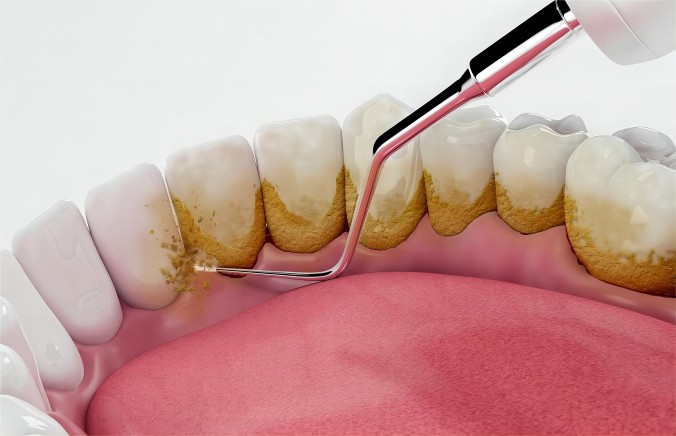
The connection between periodontal disease and tooth loss is straightforward: the disease destroys the very structures that hold teeth in place. The alveolar bone, which surrounds and supports the tooth root, is a living tissue that constantly remodels itself in response to pressure and inflammation. In healthy mouths, bone loss and bone growth are balanced, maintaining the tooth’s stability. However, in periodontitis, the chronic inflammation triggers an overactive immune response, where the body’s own cells attack the healthy periodontal tissues and bone, leading to excessive bone resorption.
As bone loss progresses, the tooth loses its support, becoming loose. Initially, this looseness may be subtle—noticeable only when chewing hard foods—but as more bone is lost, the tooth shifts, gaps form between teeth, and eventually, it falls out. Once the bone is lost, it cannot regenerate on its own, making tooth loss irreversible without intervention. A 2024 study published in the Journal of Periodontology found that adults with severe periodontitis are 7 times more likely to experience tooth loss than those with healthy gums, and nearly 80% of tooth loss in adults over 40 is directly attributed to periodontal disease.
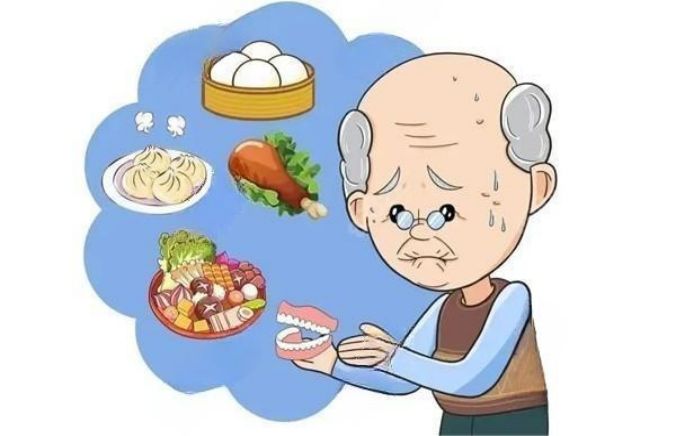
The impact of tooth loss extends far beyond aesthetics. Missing teeth impair chewing function, making it difficult to eat nutrient-dense foods like fruits, vegetables, and lean proteins—leading to nutritional deficiencies, especially in older adults. They also affect speech, causing slurring or difficulty pronouncing certain sounds, and can lead to facial sagging, as the bone loss in the jaw reduces support for the cheeks and lips. Additionally, tooth loss can have a profound psychological impact, eroding confidence and self-esteem, and even leading to social isolation. For many people in low- and middle-income countries, tooth loss is seen as an inevitable part of aging, but this is a myth—periodontal disease is the primary cause, and it is preventable with proper care. Unfortunately, limited access to dental care, lack of oral health education, and cultural misconceptions (such as dismissing bleeding gums as “normal”) allow the disease to progress unchecked, leading to unnecessary tooth loss.
Dental Implants: The Gold Standard in Tooth Loss Restoration
For decades, the only options for restoring missing teeth were dentures (removable false teeth) and bridges (fixed restorations that attach to adjacent healthy teeth). While these methods provided temporary relief, they had significant drawbacks: dentures are often ill-fitting, slip when speaking or eating, and require frequent adjustments; bridges require grinding down healthy adjacent teeth to support the restoration, weakening them and increasing the risk of future decay or gum disease. In the 1960s, dental implants revolutionized tooth restoration by addressing these flaws, offering a solution that mimics the natural structure of teeth—root and all.
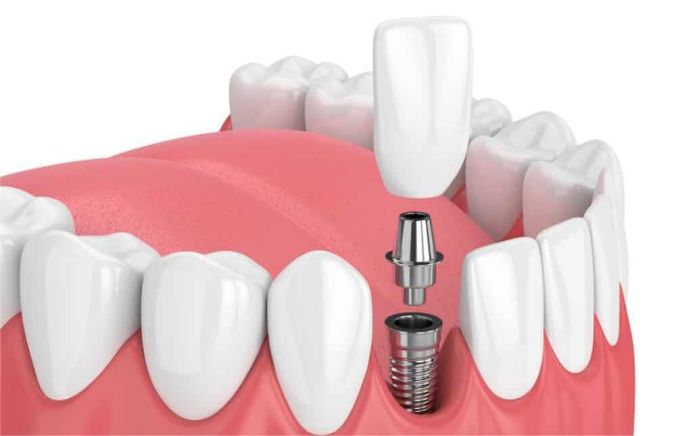
Dental implants are small, titanium posts surgically placed into the jawbone, where they act as artificial tooth roots. Titanium is biocompatible, meaning it fuses with the jawbone through a process called osseointegration, creating a stable, permanent foundation for a crown (artificial tooth). Unlike dentures or bridges, implants do not rely on adjacent teeth for support, preserving healthy tooth structure, and they function just like natural teeth—allowing for normal chewing, speaking, and smiling. A well-placed dental implant can last a lifetime with proper care, making it the most efficient and durable restoration option available.
The efficiency of dental implants is evident in their success rate and functionality. According to a retrospective multicenter study, dental implants have a 99.9% survival rate in routine clinical practice, with only rare failures reported. For patients with a history of periodontitis, a short-term clinical evaluation of 95 patients with 234 implants found a 97.86% survival rate after 12 months, demonstrating that implants are a viable option even for those who lost teeth to gum disease, provided the underlying periodontal condition is managed. Unlike dentures, which require removal for cleaning and can cause irritation or soreness, implants are fixed in place, requiring no special care beyond regular brushing, flossing, and dental checkups—just like natural teeth. They also prevent further bone loss, as the implant stimulates the jawbone, mimicking the natural pressure of a tooth root and maintaining bone density.
For the international audience, it’s important to note that dental implant prevalence varies significantly by region, reflecting cultural attitudes, access to care, and healthcare systems. In Sweden, for example, 40-50% of the population has had dental implants, supported by strong preventive dental culture and public subsidies. Germany and South Korea also have high implant prevalence—over 30% in Germany and a strong national focus on implant adoption in South Korea—due to cultural values that prioritize restoring tooth function and aesthetics. In contrast, Japan has a much lower prevalence of just 6-8%, largely due to insurance systems that prioritize cheaper dentures and bridges over implants, as well as cultural misconceptions and limited patient education about implant benefits. In low- and middle-income countries, implant access is limited by cost and lack of specialized dental care, but efforts by global organizations like the WHO and International Dental Federation (FDI) are working to increase access and awareness.