Oral health
Dental Issues in Older Adults: How Oral Health Quietly Affects Overall Nutritional Health
20mins Read
Last Updated :Advertisement
4: Changes in Taste—Eating Lightly or Nutritional
Speaking of taste, this is actually a very interesting yet often overlooked point. Poor oral health, especially periodontal issues or long-term use of ill-fitting dentures, can alter a person’s taste experience. Some older adults may find food less flavorful or unappetizing, leading them to unconsciously add more salt or sugar to “restore the taste.” This, in turn, can lead to new health issues, such as high blood pressure or blood sugar fluctuations. Others may simply eat very simply, or even “just grab a quick bite.” While this may not seem problematic in the short term, over time, the body’s various nutritional needs will gradually become unbalanced. For example, a lack of vitamin C can compromise immunity, while a deficiency in calcium and vitamin D can affect bone health, and insufficient protein can accelerate muscle loss. So you’ll find that what appears to be merely a “poor appetite” issue actually involves the entire nutritional system.
5. It’s Not Hopeless—Dietary Adjustments and Care
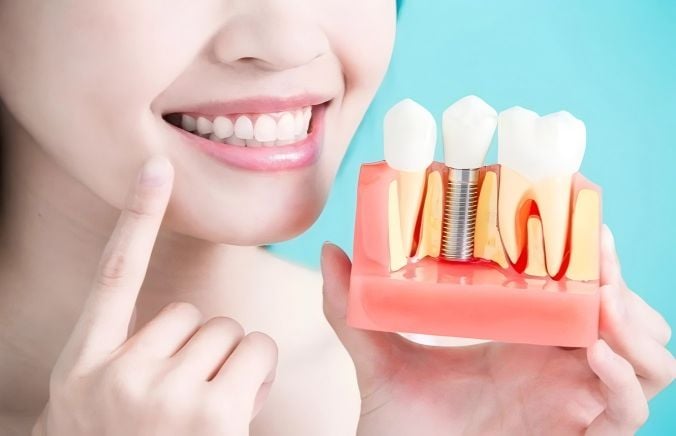
Does this mean that poor dental health inevitably leads to malnutrition? Not necessarily. The key lies in whether timely adjustments and interventions are made. For example, if an older adult is missing teeth, they might consider suitable dentures or dental implants to restore chewing ability as much as possible. At the same time, smart dietary adjustments can be made—such as cutting food into smaller pieces or stewing it until tender—rather than simply resorting to “nutrient-poor soft foods.” Foods like fish, eggs, tofu, and stewed dishes are actually both easy to chew and nutritionally rich. Additionally, pureeing or making soups can make food easier to eat while still retaining its nutritional value. For example, to address dry mouth, drink plenty of water or choose foods that help stimulate saliva production. Of course, the most important thing is to have regular dental checkups and address any dental or gum issues promptly—don’t wait until they become severe before seeing a dentist.
6: Protecting Health Starting with Your Teeth—Nutr
Oral health and nutritional status are actually in a “mutually influential” relationship. Poor dental health affects eating, and poor nutrition weakens the body, which in turn makes it harder to recover from oral health issues. Therefore, rather than waiting for problems to arise and then trying to fix them, it’s better to prioritize oral health from the start as an integral part of overall health. For those with elderly family members, pay close attention to changes in their eating habits—such as whether they’ve started eating only soft foods or eating less and less. These could be signs of oral health issues. Early detection and early intervention can prevent many future complications. Simply put, for older adults to maintain good health, it truly begins with “being able to eat well,” and “being able to eat well” often depends on the condition of their teeth.
Advertisement
Advertisement
Tips For Getting Free Dental Work
1. Be prepared to provide documentation of your income and place of residence.
Many free dental clinics require patients to provide proof of income and residence in order to qualify for services.
2. Call ahead to schedule an appointment.
Most free dental clinics require patients to make an appointment in advance.