Home > Tooth KnowLedge >

Signals of Serious Oral Health Warnings!

Tooth KnowLedge

Signals of Serious Oral Health Warnings!

16mins Read

Last Updated :

Advertisement

Persistent Oral Pain: More Than Just a Toothache

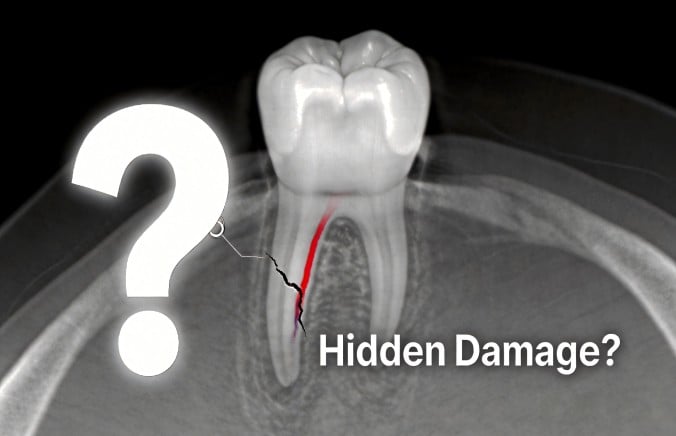
A toothache is one of the most common oral complaints, but not all tooth pain is created equal. Occasional pain from a cavity or temporary sensitivity to hot or cold is manageable, but persistent oral pain—pain that lasts more than a week, wakes you up at night, or radiates to your jaw, neck, or ear—is a clear warning sign of a serious issue. The most common cause of persistent pain is an infected tooth, where bacteria have penetrated the tooth’s enamel and dentin, reaching the pulp (the nerve and blood vessels inside the tooth). This infection, known as pulpitis, causes severe, throbbing pain that often worsens with pressure, hot, or cold stimuli. If left untreated, the infection can spread to the root of the tooth, forming an abscess—a painful, pus-filled pocket that can damage the surrounding bone and even spread to other parts of the body, leading to serious complications like sepsis or even brain infections in extreme cases.
Persistent pain can also signal advanced gum disease (periodontitis), where the infection has spread beyond the gums to the supporting structures of the teeth, including the bone. Periodontitis-related pain is often dull and aching, accompanied by gum recession, loose teeth, and bad breath. In some cases, oral pain may not even come from the teeth or gums— it could be a sign of temporomandibular joint (TMJ) disorder, which affects the joint connecting the jaw to the skull, causing pain when chewing, speaking, or opening the mouth wide. More alarmingly, persistent oral pain can sometimes be a symptom of oral cancer, especially if it is accompanied by other signs like mouth sores that won’t heal or lumps in the mouth or neck. Regardless of the cause, persistent oral pain should never be ignored. If you experience pain that lasts more than seven days, or pain that is severe enough to interfere with your daily life, it’s crucial to see a dentist immediately to identify the root cause and start treatment.

Bleeding Gums: Not Just “Brushing Too Hard”

Bleeding gums are one of the most overlooked oral warning signs, with many people dismissing them as a result of aggressive brushing or a stiff toothbrush. However, healthy gums—firm, pink, and tightly attached to the teeth—should never bleed, even with gentle brushing or flossing. Bleeding gums are almost always a sign of inflammation, most commonly gingivitis, the early stage of gum disease. Gingivitis occurs when plaque—a sticky film of bacteria, food particles, and saliva—accumulates along the gumline, irritating the gum tissue and causing it to become red, swollen, and tender. The delicate blood vessels in inflamed gums are easily damaged, leading to bleeding during brushing, flossing, or even chewing hard food. While gingivitis is reversible with proper oral hygiene and professional cleanings, ignoring it can allow the infection to progress to periodontitis, a more serious form of gum disease that damages the supporting bone and can lead to tooth loss.
Beyond gum disease, bleeding gums can also signal more serious systemic health issues. For example, people with diabetes are more prone to gum inflammation and bleeding because high blood sugar levels weaken the immune system, making it harder to fight off bacterial infections. In turn, gum disease can make it more difficult to control blood sugar, creating a vicious cycle. Bleeding gums can also be a sign of blood disorders like leukemia, thrombocytopenia (low platelet count), or hemophilia, which affect the body’s ability to clot blood. In these cases, bleeding may be spontaneous (without brushing or flossing) or excessive, and may be accompanied by other symptoms like fatigue, bruising easily, or frequent infections. Hormonal changes during pregnancy, puberty, or menopause can also make gums more sensitive and prone to bleeding, but this should still be monitored by a dentist to ensure it doesn’t progress to gum disease. If your gums bleed regularly, even with gentle brushing and flossing, it’s time to see a dentist to rule out gingivitis, periodontitis, or underlying health conditions.

Advertisement

Advertisement

Find Free Dental Car

Choose a State

Search Now

- or -

Enter a Zip Code

Tips For Getting Free Dental Work

1. Be prepared to provide documentation of your income and place of residence.

Many free dental clinics require patients to provide proof of income and residence in order to qualify for services.

2. Call ahead to schedule an appointment.

Most free dental clinics require patients to make an appointment in advance.

Dental Articles