Dental insurance
Do You Pay Tax on Health & Dental Benefits in Canada?
14 mins Read
Last Updated :Advertisement
5. Personal Tax Deductions: Claiming Out-of-Pocket
Even if your workplace health and dental benefits aren’t taxable, you might still qualify for a medical expense tax credit for any out-of-pocket costs your plan doesn’t cover. This is a super useful tax break that lowers your total tax bill, and it applies to every Canadian—including folks living in Quebec.
5.1 Eligible Medical Dental Expenses
The CRA lets you claim all kinds of unreimbursed medical and dental costs, and here’s what counts:
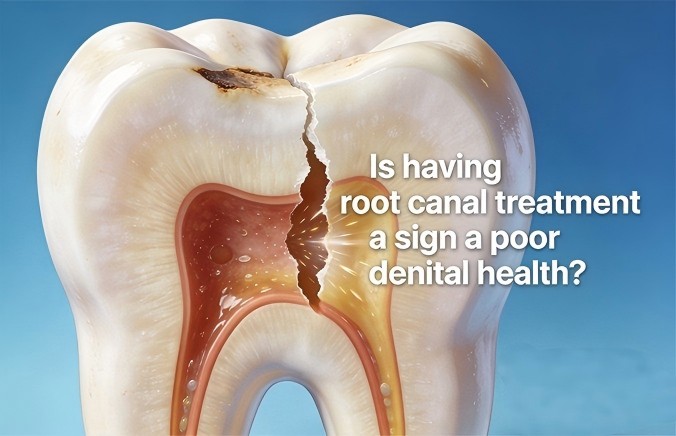
Dental exams, cleanings, fillings, root canals, crowns, braces, and dentures (as long as they’re medically necessary)
Prescription drugs that your plan doesn’t cover
Vision care like glasses, contact lenses, and regular eye exams
Paramedical services such as physiotherapy, chiropractic adjustments, and massage therapy
Travel costs for medical or dental treatment (if you live in a remote area with no local care)
Cosmetic treatments—like teeth whitening or elective veneers just for looks—don’t qualify for this credit.
5.2 How to Calculate the Medical Expense Tax Credit (2025 Tax Year)
This credit is figured out by taking a percentage of your eligible expenses, after subtracting a set threshold. For the 2025 tax year, here’s how it works:
First, subtract the smaller amount between $2,834 or 3% of your net income from your total eligible medical and dental costs
Then multiply that leftover amount by the 15% federal tax rate to get your federal credit
Most provinces also kick in an extra provincial medical expense credit on top of that
You can claim expenses for yourself, your spouse or common-law partner, and eligible dependents (kids under 18, or adult dependents with disabilities). You also get to pick any 12-month period that ends in the tax year, which makes it way easier to claim big dental costs—like braces—that stretch over multiple years.
6. Tax Treatment of Government Dental Programs (CD
Since the Canadian Dental Care Plan (CDCP) launched, a lot of people have been wondering how these public dental benefits affect their taxes. The great news is that all government-funded dental benefits are completely tax-free for every Canadian.
6.1 Canada Dental Care Plan (CDCP)
The CDCP offers free or low-cost dental care to eligible Canadians whose Adjusted Family Net Income (AFNI) falls under a set limit (this limit gets adjusted each year to keep up with inflation). It covers everything from routine checkups and basic treatments to major dental work, and there are zero tax consequences for people who use it. The government doesn’t count CDCP benefits as taxable income, so you don’t have to report them on your tax return at all.
6.2 Interim Canada Dental Benefit Provincial Programs
The old interim Canada Dental Benefit (which was a one-time payment for families with young kids) and provincial dental support programs—like Ontario’s Healthy Smiles—are also 100% tax-free. These payments are meant to make dental care more affordable, not to count as extra income. That means you get to keep every penny, and you don’t have any reporting requirements for them.
Advertisement
Advertisement
Tips For Getting Free Dental Work
1. Be prepared to provide documentation of your income and place of residence.
Many free dental clinics require patients to provide proof of income and residence in order to qualify for services.
2. Call ahead to schedule an appointment.
Most free dental clinics require patients to make an appointment in advance.