Tooth KnowLedge
Widening Gaps Between Teeth: Over-cleaning or Gum Problems?
20mins Read
Last Updated :Advertisement
Further Worsening Inflammation Causes Irreversible Oral Damage
When gingivitis develops into periodontitis, the real damage begins: bacteria invade the deep layers of the gums, causing the gums to separate from the teeth, forming "periodontal pockets," and ultimately destroying the alveolar bone. Under the combined effects of bacterial toxins and the body's immune response, alveolar bone is gradually absorbed, and gums recede. As the gums that originally covered the tooth roots "retreat," gaps between teeth are exposed, and the gaps between teeth widen. More importantly, this gum recession and alveolar bone resorption are mostly irreversible. If not intervened in time, the gaps will continue to widen, even leading to loose teeth and tooth loss.
Simple Differentiation: Distinguishing Between Improper Cleaning and Gum Problems
So, how can you quickly distinguish whether widening gaps between teeth are caused by improper cleaning or gum problems? Actually, looking at two details is enough. If it's caused by incorrect cleaning methods, it usually only appears in areas where you brush your teeth vigorously or use toothpicks, such as the inside of the front teeth or the gaps between the back teeth. There is no obvious gum redness or bad breath; it's simply a widening of the gaps. After adjusting the cleaning method, the gum damage will gradually alleviate, and the gaps will not continue to widen.
Typical symptoms of periodontitis: Recognize abnormal signs promptly
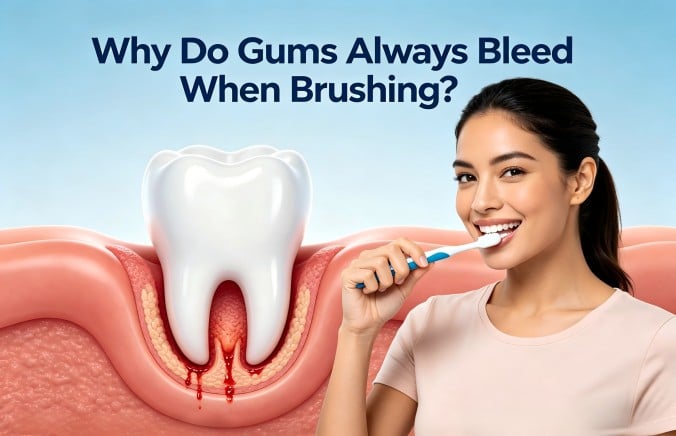
However, if the widening of the gaps between teeth is caused by gum problems (especially periodontitis), it is often systemic, potentially affecting multiple teeth. This is accompanied by symptoms such as: frequent bleeding gums when brushing or eating, persistent bad breath, dark or purplish gums, and pus oozing out when gently pressing the gums. In severe cases, teeth may feel loose, and chewing may be difficult. It's also important to note that many people feel their gaps between teeth suddenly widen after a dental cleaning. This is not caused by the cleaning itself, but rather because the cleaning removes tartar buildup, revealing gaps previously hidden by swollen gums and tartar. Essentially, it's a true manifestation of gum inflammation.
Two Easily Overlooked Hidden Causes
Two other easily overlooked factors can also lead to widening gaps between teeth: First, physiological degeneration due to aging. Like other tissues, gums and alveolar bone naturally recede. When gum recession exceeds 3 millimeters, a visible "black triangle" appears, but this is not accompanied by bleeding gums or loose teeth. Second, failure to promptly replace missing teeth can cause adjacent teeth to gradually tilt and opposing teeth to elongate, leading to wider gaps. This is another "hidden cause" that many people overlook.
Scientific Response: Avoiding Misconceptions and Proper Daily Cleaning
How should we properly deal with widening gaps between teeth? First, avoid two misconceptions: one, don't neglect cleaning for fear of "over-cleaning"; two, don't attribute widening gaps to "aging" and ignore them. The correct approach is to first adjust your cleaning method: Choose a soft-bristled toothbrush and fluoride toothpaste, and use the Bass brushing technique (brush bristles at a 45-degree angle to the tooth surface, with small horizontal vibrations). Brush your teeth twice a day for 3 minutes each time. Try to use dental floss instead of toothpicks, applying moderate pressure and gently sliding it between your teeth to avoid excessive friction. Have your teeth professionally cleaned every six months to a year to remove tartar and prevent periodontal inflammation.
Advertisement
Advertisement
Tips For Getting Free Dental Work
1. Be prepared to provide documentation of your income and place of residence.
Many free dental clinics require patients to provide proof of income and residence in order to qualify for services.
2. Call ahead to schedule an appointment.
Most free dental clinics require patients to make an appointment in advance.