Tooth KnowLedge
Is mouthwash good or bad for oral health?
16mins Read
Last Updated :Advertisement
How to Choose the Right Mouthwash for You
The key to using mouthwash safely and effectively is choosing the right type for your individual oral health needs. Here’s a guide to help you navigate the options, tailored to an international audience with varying access to dental care:
1. For Fresh Breath (Cosmetic Needs): If you only want to freshen your breath temporarily, choose a cosmetic mouthwash. Look for ingredients like menthol, peppermint, or spearmint, which mask odor. However, keep in mind that these rinses do not provide any long-term benefits and should not be used as a substitute for brushing and flossing. Avoid cosmetic mouthwashes with alcohol if you have a sensitive mouth or dry mouth.
2. For Cavity Prevention: Choose a therapeutic mouthwash containing fluoride. This is ideal for children over 6, adults with a history of cavities, or people living in areas without fluoridated water. Look for the ADA Seal of Acceptance, which indicates the product has been tested for safety and effectiveness. Use it once a day, after brushing and flossing, to maximize fluoride absorption. Remember to spit and not rinse with water afterward, as this washes away the fluoride residue.
3. For Plaque and Gingivitis: Opt for a therapeutic mouthwash with antimicrobial ingredients like chlorhexidine, essential oils (eucalyptol, menthol, thymol), or cetylpyridinium chloride. These ingredients reduce bacteria and inflammation, helping to prevent or treat gingivitis. Chlorhexidine mouthwashes are often prescribed for short-term use (1-2 weeks) to treat severe gingivitis, as long-term use can cause staining and microbiome disruption. Essential oil mouthwashes are a gentler option for daily use.
4. For Dry Mouth: Choose a moisturizing, alcohol-free mouthwash that contains ingredients like xylitol, hyaluronic acid, or lactoperoxidase (a saliva substitute). These rinses help keep the mouth moist and reduce bacterial overgrowth. Avoid alcohol-based mouthwashes, as they will further dry out the mouth. For severe dry mouth, consult a dentist for a prescription-strength rinse.
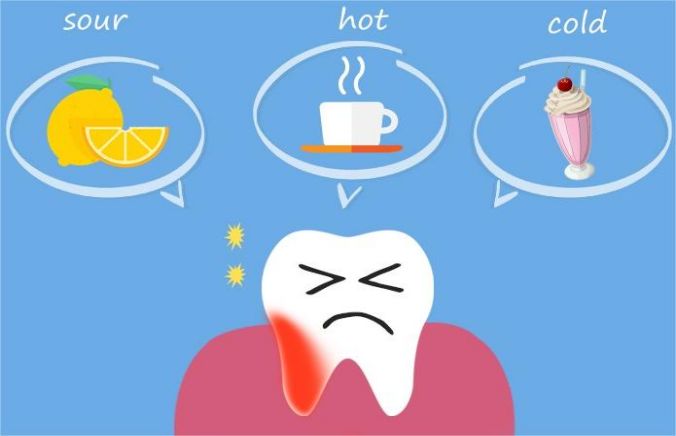
5. For Sensitive Teeth: Look for alcohol-free mouthwashes with desensitizing ingredients like potassium nitrate or strontium chloride. These help reduce sensitivity to hot, cold, or sweet foods by blocking nerve endings in the teeth. Avoid acidic or whitening mouthwashes, which can exacerbate sensitivity.
Proper Use: How to Maximize Benefits and Minimize Risks
Even the best mouthwash will not be effective if used incorrectly. Follow these guidelines to ensure you’re using mouthwash safely and getting the most out of it, regardless of where you live in the world:
• Use the right amount: Most mouthwashes recommend 10-15ml (about half a capful) per use. Using more than directed does not increase effectiveness and may increase the risk of side effects like dry mouth or irritation. For children over 6, use half the recommended amount and supervise them to prevent swallowing.
• Timing matters: Use mouthwash after brushing and flossing, but wait 30-60 minutes after eating or drinking acidic foodsdrinks. Brushing immediately after acidic meals softens enamel, and using mouthwash too soon can further irritate it. Also, avoid using mouthwash immediately after brushing with fluoride toothpaste—some toothpaste ingredients can react with mouthwash, reducing its effectiveness. Instead, spit out the toothpaste and wait a few minutes before using mouthwash, then spit and do not rinse with water for 30 minutes to allow the ingredients to work.
• Swish correctly: Swish the mouthwash around your mouth for 30-60 seconds, making sure it reaches all areas—between teeth, along the gumline, and on the tongue. Do not gargle unless directed (some mouthwashes are designed for gargling to treat sore throats), and do not swallow. Swallowing mouthwash can cause nausea, vomiting, or, in extreme cases, poisoning (especially with alcohol or high fluoride concentrations).
• Don’t overuse it: For most people, using mouthwash once a day is sufficient. Overusing it (more than twice a day) can dry out the mouth, disrupt the microbiome, and increase the risk of side effects. Follow the product instructions or your dentist’s advice for frequency.
• Consult your dentist: If you’re unsure which mouthwash is right for you, or if you experience side effects like persistent dry mouth, irritation, or staining, talk to your dentist. They can recommend a product tailored to your oral health needs, especially if you have conditions like gum disease, dry mouth, or sensitive teeth. For people with limited access to dental care, reputable global organizations like the WHO and FDI offer free online resources to help choose the right mouthwash.
Advertisement
Advertisement
Tips For Getting Free Dental Work
1. Be prepared to provide documentation of your income and place of residence.
Many free dental clinics require patients to provide proof of income and residence in order to qualify for services.
2. Call ahead to schedule an appointment.
Most free dental clinics require patients to make an appointment in advance.