Oral health
Diabetes Isn’t Just a “Blood Sugar Problem”: Does It Affect Your Teeth and Gums?
15mins Read
Last Updated :Advertisement
III. Significantly Increased Risk of Periodontitis
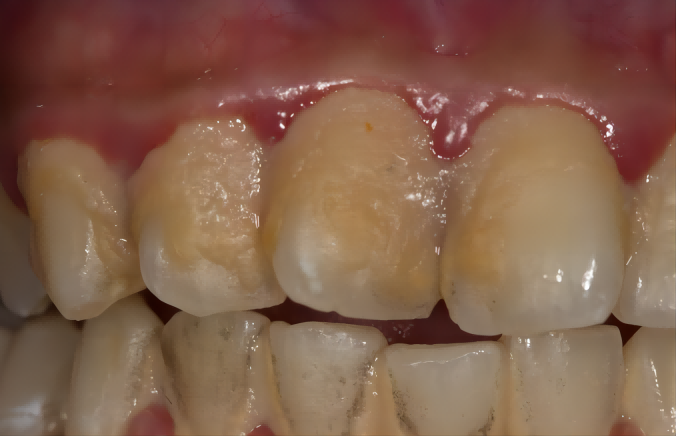
Oral health research has reached a very clear conclusion: People with diabetes have a significantly higher risk of developing periodontitis.
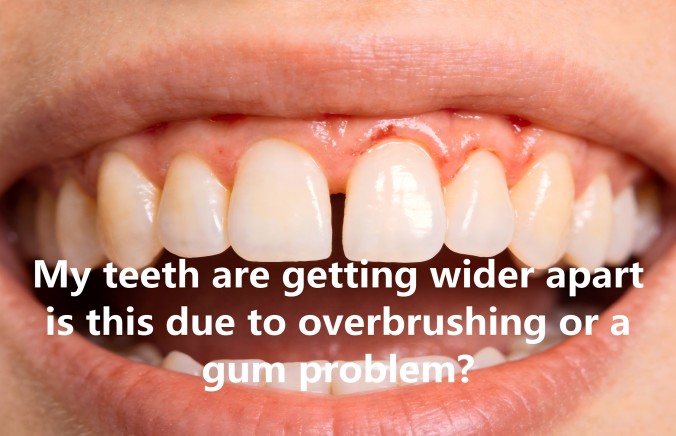
Periodontitis is not just ordinary gum inflammation; it can actually “damage the bone.” Once it becomes severe, teeth may become loose or even fall out.
More importantly, this is not a one-way relationship, but a “two-way influence”:
Diabetes makes periodontitis worse
Periodontitis, in turn, makes blood sugar harder to control
It’s like a vicious cycle:
High blood sugar → Periodontitis → Increased inflammation → Blood sugar becomes harder to control → The situation worsens further
That’s why dentists usually recommend that people with diabetes get regular periodontal checkups, not just simple teeth cleanings.
Many people don’t realize the severity of the problem until their teeth start to loosen, but in reality, periodontitis can be controlled or even reversed in its early stages. The key lies in whether you get regular checkups and intervene early, rather than waiting until obvious symptoms appear to seek treatment.
IV. Dry Mouth: You Might Think It’s Just Dehydrati
Many people notice that individuals with diabetes often experience “dry mouth.” At first, many assume it’s simply because they aren’t drinking enough water, but in reality, this could be a symptom of diabetes.
High blood sugar levels can affect saliva production, leading to a dry mouth. Saliva acts as a natural “protective barrier” that helps flush out bacteria and maintain oral balance.
Once dry mouth sets in:
The risk of cavities increases
Bad breath
Increased susceptibility of oral mucosa to damage
If you frequently feel your mouth is dry or sticky, or even need to drink water while sleeping at night, you should pay close attention.
Chronic dry mouth is not only uncomfortable but also robs the mouth of its ability to protect itself. Many people overlook this until they experience recurring cavities or mouth ulcers. Therefore, if you have persistent dry mouth, consider taking proactive steps to alleviate it rather than simply relying on drinking water.
V. Slower Wound Healing and Longer Recovery Times
When visiting the dentist, if you have diabetes, the dentist will usually ask specifically, “Is your diabetes well controlled?”
This is because diabetes can affect the body’s ability to heal.
For example:
Slower recovery after a tooth extraction
Increased risk of infection after gum surgery
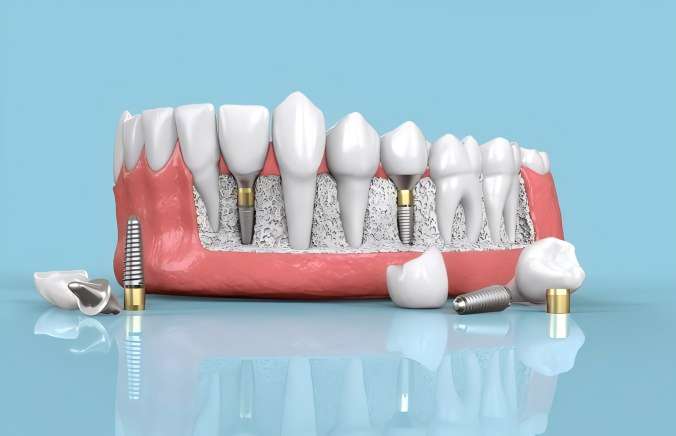
The success rate of dental implants may be affected
This does not mean treatment is impossible, but it requires more careful and meticulous management. Some dentists may even recommend stabilizing blood sugar levels within a consistent range before treatment.
Many patients feel their recovery time is longer than others’ after treatment; in fact, this is not an isolated case but a common effect of diabetes. Therefore, cooperating with your dentist to manage blood sugar levels before and after dental treatment will directly impact treatment outcomes and the quality of recovery.
Advertisement
Advertisement
Tips For Getting Free Dental Work
1. Be prepared to provide documentation of your income and place of residence.
Many free dental clinics require patients to provide proof of income and residence in order to qualify for services.
2. Call ahead to schedule an appointment.
Most free dental clinics require patients to make an appointment in advance.