Tooth KnowLedge
Common Dental Misconceptions That Lead to Permanent Damage
15mins Read
Last Updated :Advertisement
Myth 3: “Bleeding Gums Are Normal—Just Stop Flossing”
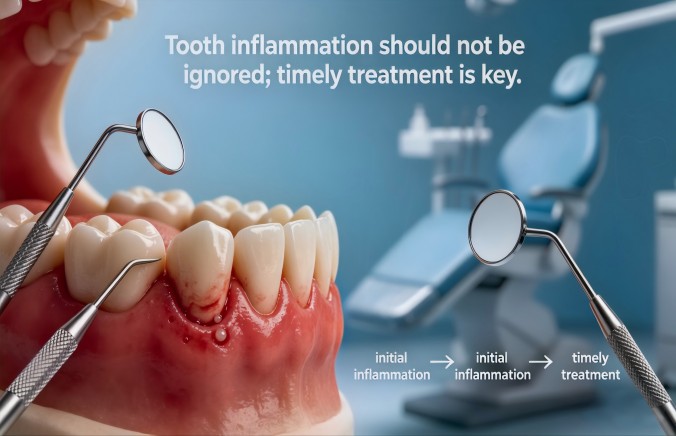
Millions of people around the world stop flossing when their gums bleed, believing that bleeding is a sign they’re “doing it wrong” or that flossing is harmful. This myth is a double threat: it not only allows plaque and food particles to accumulate between the teeth (the most common cause of cavities and gum disease) but also ignores a critical warning sign of inflammation. Healthy gums—firm, pink, and tightly attached to the teeth—never bleed, even during gentle flossing. Bleeding gums are almost always a sign of gingivitis, the early stage of gum disease, caused by plaque buildup along the gumline. When you floss, you’re removing that plaque, and the bleeding is a sign that your gums are inflamed and in need of better care—not a reason to stop.
Ignoring bleeding gums and skipping flossing allows gingivitis to progress to periodontitis, a more serious form of gum disease that damages the connective tissue and bone supporting the teeth. Periodontitis is the leading cause of tooth loss in adults worldwide, affecting over 1 billion people, according to the WHO. Once periodontitis develops, the damage is permanent: the bone and gum tissue lost to the disease cannot be regrown, even with treatment. The solution is the opposite of what the myth suggests: keep flossing gently, and brush thoroughly to remove plaque. If bleeding persists for more than two weeks, see a dentist to rule out advanced gum disease or underlying health conditions like diabetes or blood disorders. Flossing is not optional—it’s essential for removing plaque from areas a toothbrush can’t reach, and bleeding is a sign you need to floss more, not less.
Myth 4: “Sugar Is the Only Cause of Cavities”
A common global misconception is that cavities are caused solely by sugar—so if you avoid candy and soda, your teeth are safe. While sugar is a major contributor to tooth decay, it’s not the only culprit. Cavities form when oral bacteria feed on fermentable carbohydrates (not just sugar) and produce acid that erodes tooth enamel. This means starchy foods like bread, chips, pasta, and even healthy foods like bananas, dried fruit, and whole grains can cause cavities if they’re not properly cleaned from the teeth. The key factor is not just the type of food, but how often you eat it: frequent snacking, even on “healthy” carbs, keeps your mouth in an acidic state for hours, giving bacteria time to attack enamel.
This myth is dangerous because it leads people to focus solely on cutting out sugar while ignoring other cavity-causing foods and habits. For example, someone might avoid soda but snack on crackers throughout the day, unknowingly increasing their cavity risk. Additionally, acidic foods and drinks—like citrus fruits, vinegar, diet soda, and coffee—can erode enamel directly, even without bacteria, making teeth more vulnerable to cavities. The truth is, cavity prevention requires a holistic approach: limit frequent snacking (whether sugary or starchy), brush and floss daily to remove plaque, use fluoride toothpaste to strengthen enamel, and visit the dentist regularly for cleanings and checkups. By understanding that sugar is just one piece of the puzzle, you can take better steps to protect your teeth from permanent decay.
Advertisement
Advertisement
Tips For Getting Free Dental Work
1. Be prepared to provide documentation of your income and place of residence.
Many free dental clinics require patients to provide proof of income and residence in order to qualify for services.
2. Call ahead to schedule an appointment.
Most free dental clinics require patients to make an appointment in advance.