Tooth KnowLedge
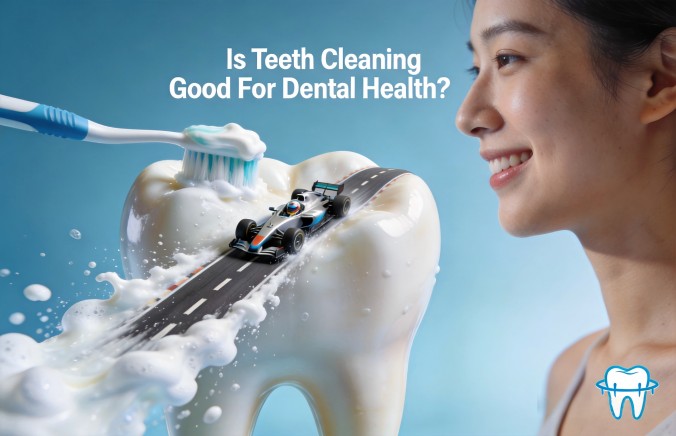
Does brushing your teeth harder make them cleaner?
16mins Read
Last Updated :Advertisement
Common mistakes that make you brush harder
Even if you’re trying to brush gently, there are a few common mistakes that can make you accidentally brush too hard—without you even realizing it. Let’s go through them, so you can catch yourself and fix them. First, brushing too fast. When you’re in a hurry (like when you’re running late for work or trying to get to bed), you tend to brush faster and harder. You’re trying to get it over with quickly, so you scrub more vigorously. The fix? Slow down. Set aside 2 minutes—no more, no less—and take your time. Brushing is not a race, and rushing will only lead to damage. Second, using the wrong toothpaste. Some toothpastes are designed for “deep cleaning” or “stain removal,” and they can feel gritty. When you use a gritty toothpaste, you might feel like you need to scrub harder to get the full effect—but that’s not necessary. The grit in the toothpaste is meant to gently polish your teeth, not require extra pressure. The fix? Choose a mild, non-abrasive toothpaste (look for one with low RDA, which stands for Relative Dentin Abrasivity) that’s gentle on your enamel. Third, brushing immediately after eating acidic foods. If you eat something acidic (like oranges, tomatoes, coffee, or soda), your enamel becomes temporarily softer and more vulnerable to damage. Brushing right after eating these foods—especially with hard pressure—can wear away the softened enamel. The fix? Wait 30–60 minutes after eating acidic foods before brushing. This gives your saliva time to neutralize the acid and harden your enamel back up. Fourth, thinking bleeding gums mean you need to brush harder. This is one of the biggest mistakes people make. If your gums bleed, you might think, “They’re dirty, so I need to scrub more to get them clean.” But bleeding gums are a sign of irritation—scrubbing harder will only make it worse. The fix? Brush more gently around the bleeding area, and if the bleeding doesn’t stop after a few days, see your dentist (it could be a sign of gingivitis). Finally, not replacing your toothbrush often enough. A worn-out toothbrush with frayed bristles doesn’t clean as well, so you might unconsciously brush harder to compensate. The fix? Replace your toothbrush every 3–4 months, or whenever the bristles start to fray.
When to see a dentist
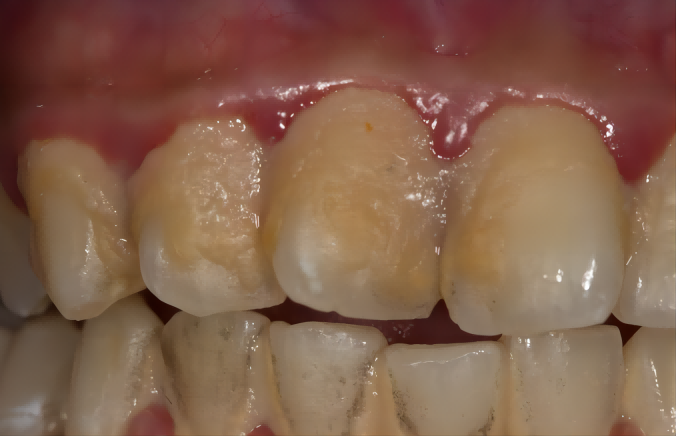
If you’ve been brushing too hard for a while, you might already be seeing some signs of damage—but that doesn’t mean it’s too late to fix it. The key is to recognize the signs and see your dentist as soon as possible. Here are the red flags to watch out for: persistent gum bleeding (even after switching to gentle brushing), tooth sensitivity that doesn’t go away, gum recession (teeth looking longer), visible notches or wear on your teeth near the gumline, or yellowish, shiny spots on your teeth (a sign of enamel wear). Your dentist can assess the damage and recommend treatments to help. For example, if your enamel is worn, they might suggest a fluoride varnish to strengthen your teeth and reduce sensitivity. If you have gum recession, they might recommend a gum graft to cover the exposed roots and protect your teeth from decay. And if you have those wedge-shaped notches (abfraction lesions), they might fill them to prevent further damage and sensitivity. But the best treatment is prevention. Even if you haven’t noticed any damage yet, it’s a good idea to have your dentist check your brushing technique at your regular checkup. They can watch you brush and give you personalized tips to make sure you’re doing it correctly. Most dentists have seen it all—they won’t judge you for brushing too hard; they’ll just help you fix it. And remember: regular checkups (every 6 months) are crucial for catching damage early, before it becomes irreversible. Even if you’re brushing correctly, plaque can build up in hard-to-reach places (like between your teeth), so professional cleanings are still necessary to keep your mouth healthy.
Advertisement
Advertisement
Tips For Getting Free Dental Work
1. Be prepared to provide documentation of your income and place of residence.
Many free dental clinics require patients to provide proof of income and residence in order to qualify for services.
2. Call ahead to schedule an appointment.
Most free dental clinics require patients to make an appointment in advance.