Dental Implant
Dental implant surgery risks and complications, learn in advance to be prepared
10 mins Read
Last Updated :Advertisement
Complications of dental implant surgery
Although dental implant surgery is a relatively safe and successful method of oral restoration, like other surgical procedures, it also has certain risks and possible complications.
1. Peri-implantitis
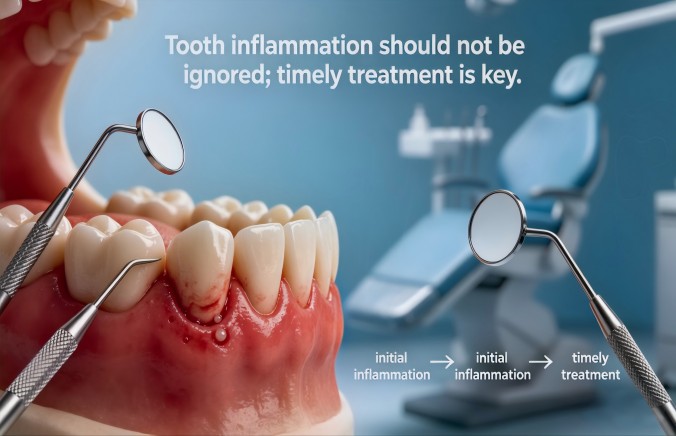
Peri-implantitis is one of the most common complications of dental implants, similar to periodontitis of natural teeth. It is caused by bacterial infection and manifests as inflammation, swelling, bleeding and pain of the soft tissue around the implant.
Peri-implant mucositis: This is the early stage of peri-implantitis, manifested as redness, swelling and bleeding of the mucosa, which can be controlled by good oral hygiene habits and regular professional cleaning.
Peri-implant pocket formation: As inflammation develops, deep pocket structures may form between the implant and the gums, where bacteria accumulate and further destroy the supporting bone tissue.
2. Implant shedding
Implant shedding refers to the failure of the implant to form a good bone bond with the jawbone, resulting in loosening or shedding of the implant.
Early shedding: It usually occurs in the first few months after implant placement, which may be due to improper surgical operation, infection, insufficient bone mass or premature weight bearing by the patient.
Late shedding: It may occur after the dental implant has been used for many years, mostly due to long-term chronic inflammation, bone loss or external impact.
3. Insufficient bone volume
Dental implants require sufficient bone volume to support the implants. Insufficient bone volume will lead to poor implant stability and even surgical failure.
Reasons for insufficient bone volume: After tooth loss, the alveolar bone will gradually absorb, resulting in insufficient bone volume. In addition, factors such as periodontal disease and long-term smoking can also affect bone volume.
Bone augmentation surgery: For patients with insufficient bone volume, bone augmentation surgery such as bone transplantation and bone regeneration may be required to increase bone volume.
4. Nerve damage
Dental implant surgery may damage the mandibular nerve or maxillary nerve, resulting in paresthesia or numbness in the surgical area.
Temporary nerve damage: In most cases, nerve damage is temporary and can recover on its own after a period of time.
Permanent nerve damage: Although it rarely occurs, improper surgical operation or anatomical variation may lead to permanent nerve damage.
5. Infection
Infection is a serious complication of dental implant surgery and may lead to surgical failure.
Acute infection: It usually occurs in the first few days after surgery, manifested by symptoms such as redness, swelling, pain, and fever.
Chronic infection: Chronic infection may exist for a long time and is not easy to detect, but it will gradually destroy the bone tissue around the implant.
6. Bleeding and hematoma
Bleeding may occur during dental implant surgery, and hematoma may form in severe cases.
Intraoperative bleeding: Strict control of bleeding during surgery is the key to preventing complications.
Postoperative hematoma: Postoperative hematoma may cause pain, infection and delayed healing.
7. Wound dehiscence
Wound dehiscence after surgery may lead to complications such as infection and implant exposure.
Causes of wound dehiscence: It may be due to improper surgical operation, excessive weight or poor healing ability of the patient.
8. Aesthetic problems
The aesthetic problems of dental implants are mainly manifested in unnatural gingival contours and mismatch between the crown color and natural teeth.
Gingival contour: Improper surgical design and gingival treatment may lead to inconsistent gingival contours.
Crown color and shape: The production of crowns needs to accurately match the color and shape of natural teeth, otherwise it will affect the overall appearance.
9. Preventive measures
In order to reduce complications of dental implant surgery, the following preventive measures are essential:
Detailed preoperative evaluation: including the patient's general condition, oral condition and imaging examinations.
Exquisite surgical skills: The surgical operation should be precise and gentle to reduce trauma.
Strict postoperative care: Instruct patients to maintain proper oral hygiene and have regular checkups.
Timely treatment of complications: Once complications occur, measures should be taken as soon as possible to deal with them.
Advertisement
Advertisement
Tips For Getting Free Dental Work
1. Be prepared to provide documentation of your income and place of residence.
Many free dental clinics require patients to provide proof of income and residence in order to qualify for services.
2. Call ahead to schedule an appointment.
Most free dental clinics require patients to make an appointment in advance.