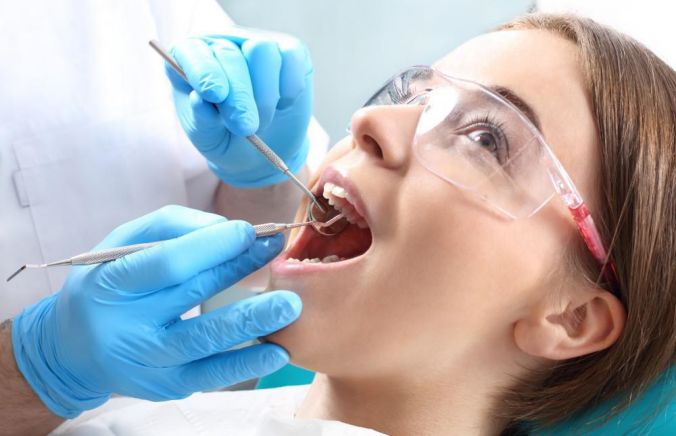
Dental Implant
Dental implant surgery risks and complications, learn in advance to be prepared
10 mins Read
Last Updated :Advertisement
How to Reduce Risks and Minimize Complications
Dental implant surgery is a highly specialized dental treatment designed to restore missing teeth and normal oral function. However, like any surgery, dental implants are also accompanied by certain risks and complications, including infection, bleeding, nerve damage, loose implants, etc. By taking appropriate precautions and postoperative care, patients and doctors can significantly reduce risks, reduce the occurrence of complications, and ensure the long-term success rate of dental implants.
1. Preoperative evaluation and adequate preparation
A comprehensive health assessment before surgery is the first step to reduce surgical risks. The doctor needs to have a detailed understanding of the patient's overall health status, including whether he has chronic diseases (such as diabetes, hypertension, heart disease) and whether he has bad habits such as smoking and alcoholism. For specific groups, such as the elderly or patients who take long-term medications, it is particularly important to assess whether they are suitable for dental implants.
Health history examination: The doctor needs to understand the patient's medication history, especially patients who take anticoagulants or immunosuppressants for a long time. These drugs may increase the risk of bleeding or infection during and after surgery.
Oral examination: The doctor will perform a comprehensive oral examination, including an assessment of periodontal health, occlusal status, and jaw bone mass. Patients with insufficient bone mass may need bone augmentation surgery before implantation.
Imaging examination: Through X-ray or CT scan, the doctor can accurately evaluate the shape and density of the jawbone and determine the best implant position to avoid nerve or blood vessel damage.
In addition, the doctor needs to develop a personalized treatment plan and select the appropriate implant model, material and surgical method to improve the safety of the operation.
2. Choose experienced doctors and medical institutions**
The key to the success of the operation lies in the doctor's professional level and experience. Experienced implant doctors can not only develop a scientific and reasonable treatment plan based on the patient's condition, but also perform precise operations during the operation to reduce the probability of complications. In addition, it is also important to choose a regular medical institution, because high-quality medical equipment and a strict surgical environment can effectively reduce the risk of intraoperative infection.
3. Strict operation and sterile environment during the operation
During the dental implant surgery, the surgical team must strictly abide by the sterile operation specifications to ensure the cleanliness and disinfection of the surgical area to prevent infection. Here are some key points:
Sterile environment: The operating room must meet hygiene standards, and doctors and assistants must wear sterile gloves and masks and use sterilized tools.
Precise operation: The doctor needs to accurately implant the implant according to the preoperative plan, avoid touching important nerves, blood vessels or other key tissues, and reduce the risk of postoperative pain or nerve damage.
Intraoperative monitoring: For high-risk patients (such as patients with hypertension or cardiovascular disease), real-time monitoring of vital signs is required during surgery to ensure the safety of the operation.
4. Postoperative care and patient self-management
Postoperative care plays a vital role in reducing risks and complications. Patients should strictly follow the doctor's advice for care, especially in the first few days after surgery, and pay special attention to the following aspects:
Avoid infection: Keeping the mouth clean is the key to preventing infection. After surgery, patients should rinse their mouths with warm salt water or antibacterial mouthwash recommended by the doctor to prevent bacterial growth. At the same time, avoid touching the surgical site with the tongue or using toothpicks to clean around the implant.
Dietary adjustment: Within 48 hours after surgery, you should try to eat warm, soft food, and avoid hard objects or irritating foods (such as spicy and acidic foods) to irritate or damage the surgical site.
Medication use: Take antibiotics and analgesics on time according to the doctor's advice to reduce infection and relieve postoperative pain. If abnormal symptoms occur, such as severe pain or continuous bleeding, contact your doctor immediately.
5. Regular follow-up and professional maintenance
Regular follow-up after surgery is an important part of ensuring the health of dental implants. Through follow-up, doctors can check the integration of implants and jaws, and promptly detect and deal with potential problems. In addition, patients need to maintain good oral hygiene habits to avoid peri-implantitis.
Professional cleaning: Professional oral cleaning is performed every six months or one year to remove plaque and tartar that are difficult to remove with daily brushing.
Occlusal adjustment: Dental implants may have occlusal disharmony over time. Regular follow-up allows doctors to adjust the position or height of dental implants to avoid loose implants or surrounding tissue damage caused by poor occlusion.
Implant maintenance: Doctors may recommend the use of special implant care tools, such as implant toothbrushes, water flossers, etc., to further improve cleaning efficiency.
6. Quitting smoking and developing a healthy lifestyle
Smoking is one of the main factors affecting the success rate of dental implants. Nicotine in tobacco reduces blood circulation, inhibits wound healing, and increases the risk of peri-implantitis. Therefore, patients should quit smoking before and after dental implant surgery. In addition, maintaining a healthy lifestyle, such as a balanced diet and proper exercise, can help enhance the body's immunity and promote healing of the surgical site.
Advertisement
Advertisement
Tips For Getting Free Dental Work
1. Be prepared to provide documentation of your income and place of residence.
Many free dental clinics require patients to provide proof of income and residence in order to qualify for services.
2. Call ahead to schedule an appointment.
Most free dental clinics require patients to make an appointment in advance.