Tooth KnowLedge
Did You Know? Surprising Facts About Dental Health You Need to Know
14 mins Read
Last Updated :Advertisement
Cultural Differences in Dental Health: How Oral Ca
Dental health practices vary widely across cultures, influenced by factors like diet, tradition, and access to dental care. These cultural differences offer fascinating insights into how different societies approach oral health—and what we can learn from each other. For international readers, understanding these differences can help you appreciate the diversity of oral care practices and adopt new habits to improve your own dental health.
In Japan, for example, oral health is a top priority, and the country has one of the lowest rates of tooth decay in the world. Japanese people typically brush their teeth after every meal (not just twice a day) and use interdental brushes (instead of floss) to clean between their teeth. They also have a tradition of “yubikiri,” or finger brushing, for young children, which helps establish good oral hygiene habits early. Additionally, Japan has a strong focus on preventive dental care, with regular check-ups and cleanings covered by national health insurance.
In India, traditional oral care practices have been used for centuries, long before modern toothbrushes and toothpaste were invented. One common practice is “oil pulling,” where you swish a tablespoon of coconut oil, sesame oil, or sunflower oil in your mouth for 10–15 minutes each morning. This practice is believed to remove bacteria from the mouth, whiten teeth, and improve gum health. While scientific research on oil pulling is limited, many Indians swear by it, and it has become popular in other parts of the world as a natural oral care method. Chewing betel nut is also widespread in India, which is harmful to dental health—it can cause tooth discoloration, gum disease, and even oral cancer, highlighting the contrast between beneficial and harmful traditional practices.
In African countries like Kenya and Nigeria, oral health practices are often influenced by rural living and limited access to dental care. Many people in rural areas use natural products to clean their teeth, such as twigs from the neem tree (which has antibacterial properties) or charcoal (which is believed to whiten teeth). While these natural methods can help remove plaque, they are not as effective as modern toothbrushes and toothpaste, and they can sometimes damage the enamel (especially charcoal, which is abrasive). In urban areas, access to dental care is improving, but many people still cannot afford regular check-ups, leading to higher rates of tooth decay and gum disease.
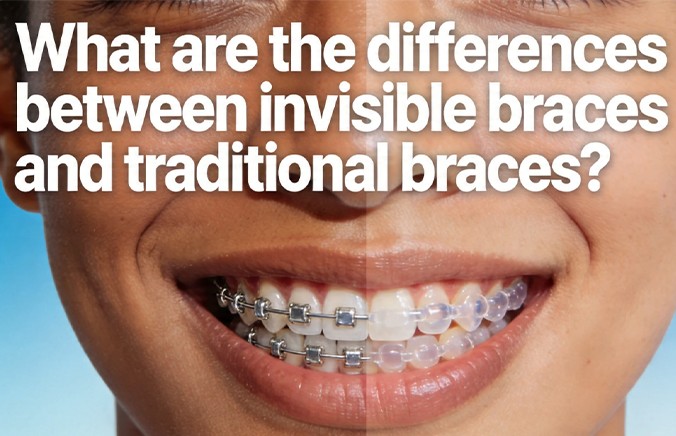
In the United States and Western Europe, oral care is highly commercialized, with a wide range of products available (toothbrushes, toothpaste, floss, mouthwash, whitening products, etc.). However, despite the availability of these products, many people still struggle with poor oral health—partly due to diet (high in sugar and processed foods) and inconsistent oral care habits. Western countries also have high rates of orthodontic treatment, with many children and teenagers getting braces to straighten their teeth—a practice that is less common in other parts of the world, where crooked teeth are often seen as a normal part of life.
One universal trend across all cultures: access to dental care is a key factor in dental health. Countries with universal healthcare (like Canada, France, and Japan) typically have better oral health outcomes, as more people can afford regular check-ups and treatment. In contrast, countries with limited access to dental care (like many low-income countries) have higher rates of tooth decay, gum disease, and tooth loss. This highlights the importance of making dental care accessible to everyone, regardless of their income or location.
Advertisement
Advertisement
Tips For Getting Free Dental Work
1. Be prepared to provide documentation of your income and place of residence.
Many free dental clinics require patients to provide proof of income and residence in order to qualify for services.
2. Call ahead to schedule an appointment.
Most free dental clinics require patients to make an appointment in advance.