Tooth KnowLedge
Did You Know? Surprising Facts About Dental Health You Need to Know
14 mins Read
Last Updated :Advertisement
Fun and Fascinating Dental Facts: For Kids and Adu
Dental health doesn’t have to be boring—there are plenty of fun and quirky facts that will entertain both kids and adults. These facts are not only interesting but also help make oral care more engaging, especially for children who may be resistant to brushing and flossing.
Did you know that the average person spends 38.5 days of their life brushing their teeth? If you brush for two minutes, twice a day, that adds up to over 1,400 minutes a year, or 23 hours a year. Over a lifetime (78 years), that’s about 38.5 days—enough time to watch over 900 hours of TV or take a long vacation! This fun fact can help motivate kids to brush their teeth, as it puts their daily routine into perspective.
Another fun fact: the average person produces about 25,000 quarts of saliva in their lifetime. Saliva is crucial for dental health—it helps break down food, neutralize acid in the mouth, and wash away plaque and food particles. Saliva also contains enzymes that help prevent tooth decay and gum disease. When you’re dehydrated, your mouth produces less saliva, which is why dry mouth can lead to bad breath and increased risk of cavities.
Kids (and adults) will love this fact: teeth can “feel” cold and hot, even though they don’t have skin. The nerves in the pulp of the tooth are sensitive to temperature changes, which is why drinking a cold drink or eating a hot food can cause a sharp pain (tooth sensitivity). This sensitivity is often a sign of enamel erosion or gum recession, so if you experience it regularly, it’s a good idea to see a dentist.
Did you know that the first toothbrush was invented in China in 1498? It was made of hog hair attached to a bamboo handle—very different from the soft-bristled, electric toothbrushes we use today. The first mass-produced toothbrush was invented in the United States in 1885, and toothpaste in a tube was invented in 1892. Before toothpaste, people used a variety of products to clean their teeth, including baking soda, salt, and even urine (which was believed to whiten teeth—fortunately, we’ve come a long way!).
One more fun fact: elephants have the longest teeth of any animal. An elephant’s tusks are actually elongated incisor teeth, and they can grow up to 10 feet long and weigh over 100 pounds. Unlike human teeth, elephant tusks grow continuously throughout their lives. Other animals have unique dental features too—sharks have multiple rows of teeth (up to 50 rows!), and beavers have teeth that never stop growing (which is why they need to chew on wood to keep them trimmed).
Practical Tips to Improve Your Dental Health
Now that you know these surprising facts about dental health, it’s time to put that knowledge into action. These practical tips, based on the science and insights shared in this article, will help you maintain a healthy smile for life—no matter where you live in the world.
First, prioritize preventive care. As we learned earlier, enamel cannot grow back, and many dental issues do not cause pain until they are advanced. This means brushing your teeth twice a day with a soft-bristled toothbrush and fluoride toothpaste, flossing once a day, and visiting the dentist every six months for a check-up and cleaning. Fluoride is especially important—it strengthens tooth enamel and helps prevent tooth decay. Many communities add fluoride to their drinking water, but if your water is not fluoridated, you can use a fluoride toothpaste or mouthwash.
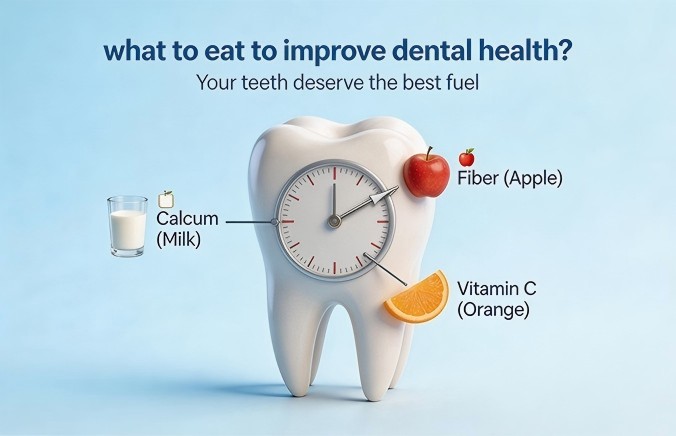
Second, watch your diet. Limit your intake of sugary and acidic foods and drinks, as they can erode enamel and cause tooth decay. Instead, opt for foods that are good for your teeth, such as crunchy fruits and vegetables (like apples and carrots, which help clean teeth), dairy products (which are high in calcium and strengthen teeth), and nuts (which are high in phosphorus, another mineral that supports dental health). Also, drink plenty of water to stay hydrated and keep your mouth moist (saliva is your mouth’s natural defense against bacteria).
Third, protect your teeth from injury. If you play sports, wear a mouthguard to prevent chipped or broken teeth. Avoid chewing on hard objects (like ice, pens, or nails), as this can damage enamel and cause teeth to chip or crack. If you grind your teeth at night, talk to your dentist about getting a night guard to protect your teeth from wear and tear.
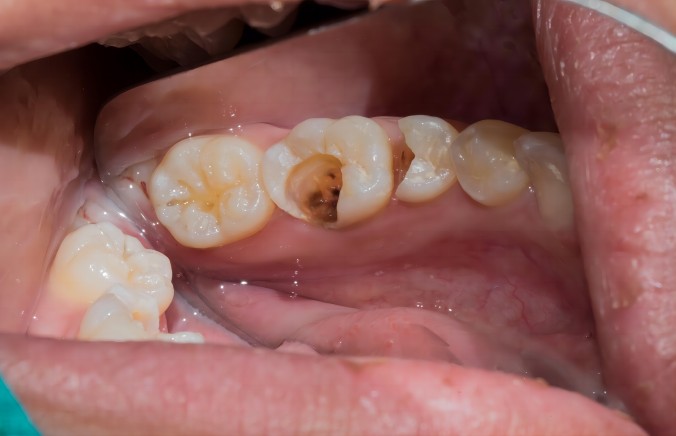
Fourth, address dental issues early. If you notice any signs of dental problems—such as tooth sensitivity, bleeding gums, bad breath, or a toothache—see a dentist right away. Early treatment can prevent small issues from becoming big, expensive problems. For example, a small cavity can be filled with a composite resin, but if it’s left untreated, it may require a root canal or even tooth extraction.
Finally, embrace cultural practices that support dental health. Whether it’s oil pulling from India, interdental brushing from Japan, or using neem twigs from Africa, there are many traditional practices that can complement modern oral care. For example, oil pulling can help reduce bacteria in the mouth, and interdental brushes are a great alternative to floss for people who find flossing difficult. Be open to trying new methods, but always consult a dentist before making major changes to your oral care routine.
Advertisement
Advertisement
Tips For Getting Free Dental Work
1. Be prepared to provide documentation of your income and place of residence.
Many free dental clinics require patients to provide proof of income and residence in order to qualify for services.
2. Call ahead to schedule an appointment.
Most free dental clinics require patients to make an appointment in advance.