Tooth KnowLedge
How do fluoride promote dental health?
15mins Read
Last Updated :Advertisement
Fluoride Doesn’t Just Protect—It Repairs Early Dec
Okay, so we know fluoride strengthens enamel—but did you know it can alsorepair tiny, early signs of tooth decay? I’m not talking about fixing a big cavity (you still need a filling for that), but those tiny, microscopic spots where the enamel is starting to wear away—before you even notice them.
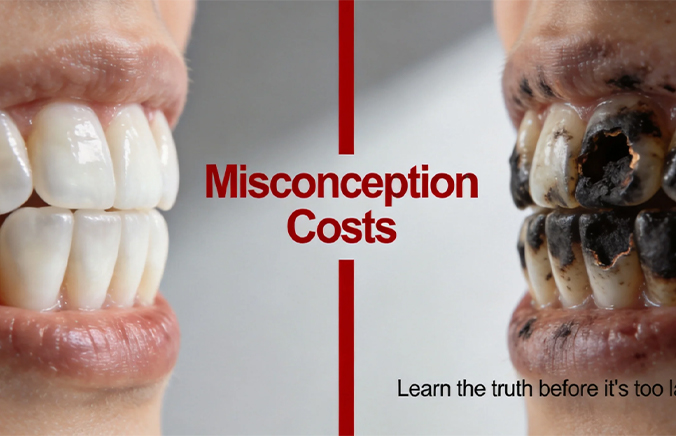
Here’s what happens: when acid attacks your enamel, it starts to dissolve the calcium and phosphorus in the surface. At first, this damage is so small you can’t see it with the naked eye—your dentist might spot it during a checkup, but you won’t feel any pain or notice any discoloration. This is called “early enamel demineralization”—fancy term for “your enamel is starting to weaken, but it’s not a cavity yet.”
Fluoride comes to the rescue here. The fluoride ions in your toothpaste or tap water seep into those tiny weakened spots and help replace the lost calcium and phosphorus. This process is called remineralization—it’s like your teeth are healing themselves, with a little help from fluoride. Over time, those tiny weakened spots get stronger and stronger, until the enamel is back to its original (or even better!) strength.
This is a game-changer because it means you can stop cavities before they even start. Think about it—how many times have you gone to the dentist and heard, “You have a small cavity starting, but we can fix it with a filling”? If you’re using fluoride regularly, you might be able to avoid that filling altogether. Fluoride turns “almost a cavity” into “no cavity at all”—and that’s a win for your smile (and your wallet).
I know what you’re thinking: “If fluoride can repair early decay, why do I still get cavities?” Well, it’s not magic. If the decay has already gone through the enamel and into the dentin (the soft part of your tooth), fluoride can’t fix that—you need a filling. But for those tiny, early spots, fluoride is your best defense. That’s why brushing twice a day with fluoride toothpaste is so important—you’re giving your teeth a chance to repair themselves every single day.
Fluoride Fights Bad Bacteria
Let’s talk about the real bad guys here: the bacteria in your mouth. Your mouth is full of bacteria—some good, some bad. The bad ones (like Streptococcus mutans) are the ones that cause cavities. They feed on sugar and starchy foods, and when they do, they produce acid that eats away at your enamel. It’s like having tiny little acid factories in your mouth, working 247 to damage your teeth.
Here’s another way fluoride promotes dental health: it fights those bad bacteria. Fluoride doesn’t just strengthen your enamel—it also slows down the growth of the bacteria that cause cavities. It makes it harder for those bacteria to stick to your teeth, and it even kills some of them off. Think of it like a natural antibiotic for your mouth, but without the side effects.
Let me break it down: when you brush with fluoride toothpaste, the fluoride coats your teeth and gets into the plaque (the sticky film of bacteria that forms on your teeth). Once it’s there, it disrupts the bacteria’s ability to produce acid. That means less acid in your mouth, which means less damage to your enamel. It also makes it harder for the bacteria to multiply, so there are fewer of them to cause trouble.
And here’s a bonus: fluoride doesn’t hurt the good bacteria in your mouth. The good bacteria help keep your mouth balanced and prevent gum disease, so you don’t want to kill them off. Fluoride targets only the bad guys—the ones that cause cavities. It’s like a precision tool that takes out the villains without harming the good guys.
This is why fluoride is so effective at preventing cavities. It’s not just protecting your teeth—it’s attacking the root cause of cavities: the bad bacteria. By slowing down their growth and reducing the acid they produce, fluoride gives your enamel a fighting chance to stay strong and healthy.
Advertisement
Advertisement
Tips For Getting Free Dental Work
1. Be prepared to provide documentation of your income and place of residence.
Many free dental clinics require patients to provide proof of income and residence in order to qualify for services.
2. Call ahead to schedule an appointment.
Most free dental clinics require patients to make an appointment in advance.