Oral health
Gums, Teeth, and Tongue: How to Achieve Comprehensive Oral Care?
15mins Read
Last Updated :Advertisement
Gum Health Warning: Bleeding is Not Just a Simple "Heat"
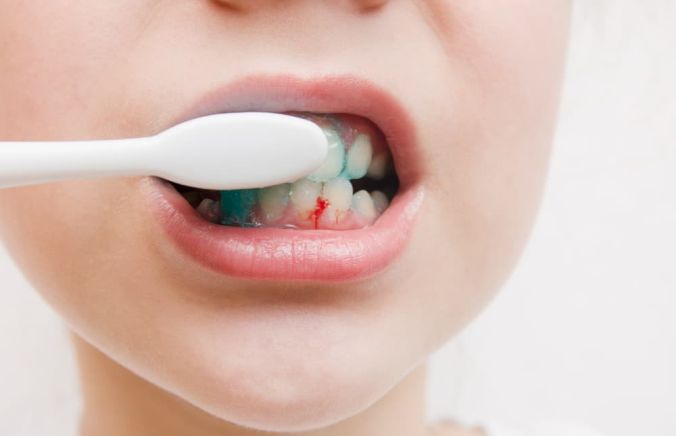
Looking at the gums, they act like a "protective shield" for the teeth, tightly wrapping around the root of the teeth, providing stability and protection. Many people experience bleeding gums while brushing their teeth, and their first reaction is often "internal heat" (a concept in Traditional Chinese Medicine). However, it's usually a sign of gingivitis. When bacteria and food debris accumulate in the mouth, forming plaque and tartar, they irritate the gums, causing congestion, swelling, and bleeding even with the slightest touch—this is gingivitis. If left untreated, the inflammation can further erode the alveolar bone, developing into periodontitis, and in severe cases, leading to loose teeth and tooth loss.
Protecting your gums hinges on "gentle cleaning" and "timely intervention." Besides brushing correctly, it's essential to floss daily to clean between your teeth. Brushing only cleans three surfaces of the teeth; toothbrushes can't reach the food debris in the gaps, which accumulates and directly irritates the gums, causing bleeding and recession. When flossing, hold both ends to your fingers and gently slide the floss into the gaps with a sawing motion. Once taut, gently glide it along the tooth surface to remove debris. Be sure to use gentle movements to avoid injuring your gums.
Self-Check of Gum Condition: Be Alert to These Changes
In addition, pay attention to the condition of your gums: Healthy gums are pink, firm, and free from redness, swelling, and pain. If your gums turn dark red, become swollen and soft, or bleed frequently when brushing your teeth or biting hard objects, or even show signs of gum recession or widening gaps between your teeth, seek medical attention immediately. Don't delay. Also, avoid using toothpicks to forcefully clean your teeth. Hard toothpicks can injure your gums and widen the gaps between your teeth, creating a vicious cycle of "the more you pick, the more food gets stuck, and the more food gets stuck, the more you pick."
Tongue Cleaning Blind Spots: Where is the Real Source of Bad Breath?
Finally, let's talk about the tongue, which is often overlooked. It's not only a taste organ but also a "culture dish" for bacteria in the mouth. The surface of the tongue has many tiny bumps that harbor bacteria and food debris, forming a thin coating. This coating is a major source of bad breath—many people still have bad breath after brushing their teeth because they haven't cleaned their tongue. Furthermore, bacteria on the tongue coating constantly multiply, invading the gums through the gaps between the teeth, worsening gingivitis, and adhering to the tooth surface, accelerating plaque and tartar formation.
Proper Tongue Cleaning: Simple Steps to Reduce Bacterial Growth
Cleaning the tongue coating is actually very simple and doesn't require much extra time; it can be done after brushing your teeth. You can use the back of a soft-bristled toothbrush (many toothbrushes have a tongue cleaning area on the back) or a dedicated soft tongue scraper to gently brush in one direction from the root of the tongue to the tip, 2-3 times each time. Avoid rubbing back and forth repeatedly or using too much force to prevent damage to the tongue mucosa and affecting taste. If the tongue coating is thick, you can also rinse with warm salt water for 30 seconds to inhibit bacterial growth and aid in cleaning the tongue coating; this method is suitable for children and people with sensitive tongues.
Advertisement
Advertisement
Tips For Getting Free Dental Work
1. Be prepared to provide documentation of your income and place of residence.
Many free dental clinics require patients to provide proof of income and residence in order to qualify for services.
2. Call ahead to schedule an appointment.
Most free dental clinics require patients to make an appointment in advance.