Dental insurance
Do You Have to Pay Out of Pocket for Dental Care in India? The Reality of Health Insurance and Dental Reimbursement
15mins Read
Last Updated :Advertisement
IV: The Practical Reasons Most People Choose to Pa
From a practical standpoint, many people living in India actually budget for dental expenses as “out-of-pocket items.” The reason is simple: compared to Western countries, dental costs in India are generally not particularly expensive. For many, the price of a basic teeth cleaning or filling is still affordable. Therefore, some feel that purchasing a more expensive insurance policy specifically for dental care isn’t actually cost-effective. Of course, for more complex treatments—such as root canal therapy, dental crowns, or even dental implants—the costs rise significantly, making insurance coverage a critical factor. The problem, however, is that these high-cost procedures are often subject to the strictest insurance restrictions: they may not be covered at all, or the reimbursement rate may be very low. Consequently, many people ultimately opt to pay out-of-pocket for basic dental care and consider insurance for advanced treatments on a case-by-case basis. This “case-by-case” approach is actually quite common in India.
Ⅴ:Dental Insurance Is Gradually Evolving
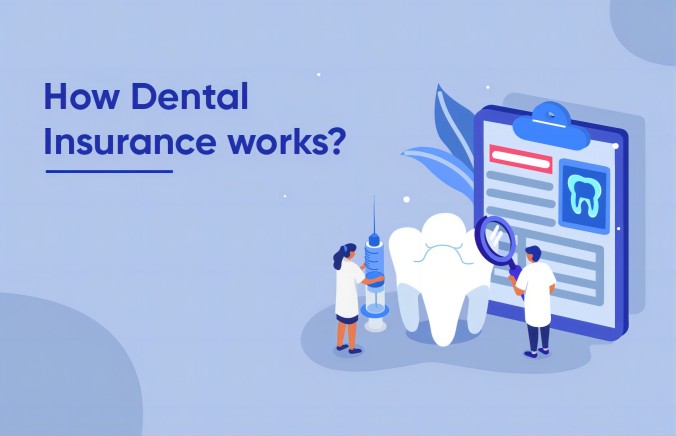
Another point worth noting is that India’s insurance market has been gradually evolving in recent years. Some insurance companies have begun to recognize the growing importance people place on oral health and have launched specialized dental riders or standalone dental insurance policies. These products typically cover routine checkups, teeth cleaning, and simple treatments—much like a “dental maintenance package.” However, these policies are not yet widely available, and the value for money—in terms of price versus coverage—requires careful comparison. Some products that appear comprehensive actually offer low reimbursement rates or come with numerous restrictions. If you’re purchasing coverage solely for routine dental care, it may not be more cost-effective than paying out of pocket. Therefore, before choosing such a product, it’s best to do your research and compare options rather than simply being lured by the phrase “dental coverage.”
Ⅵ: Understanding Your Needs Is More Important Than
If we were to summarize the relationship between health insurance and dental care in India in one sentence, it would go something like this: Dental care is not entirely excluded from coverage, but it is certainly not automatically included. You need to take the initiative to understand your options, make informed choices, and accept certain limitations. For the average consumer, the most important thing is not to blindly pursue “full coverage,” but to clearly identify your own needs. If your teeth are generally in good condition and you only occasionally need cleanings or simple treatments, you likely don’t need to purchase separate dental insurance; however, if you have long-term dental issues or are concerned about potentially costly treatments in the future, you may want to consider a premium plan or rider that includes dental coverage. Understanding the rules and planning wisely is more important than simply relying on insurance. After all, in any country, insurance is a “support tool,” not a panacea.
Advertisement
Advertisement
Tips For Getting Free Dental Work
1. Be prepared to provide documentation of your income and place of residence.
Many free dental clinics require patients to provide proof of income and residence in order to qualify for services.
2. Call ahead to schedule an appointment.
Most free dental clinics require patients to make an appointment in advance.