Tooth KnowLedge
What risks should diabetic patients be aware of when getting dental implants?
15mins Read
Last Updated :Advertisement
Key Risk 4: Higher Likelihood of Implant Failure in Uncontrolled Diabetes
The single most important factor determining implant success in diabetic patients is blood sugar control. Patients with well-controlled diabetes—defined by a glycated hemoglobin (HbA1c) level below 7%—have implant success rates similar to non-diabetic patients, with a 5-year success rate of 85–96%. However, patients with poorly controlled diabetes (HbA1c above 7.5%) face a dramatically higher risk of implant failure, with success rates dropping to as low as 52% in some studies.
A 2022 systematic review and meta-analysis published in Materials found that type 1 diabetic patients have a 4.48 times higher risk of implant failure compared to type 2 diabetic patients, likely due to the more severe insulin deficiency and greater metabolic instability associated with type 1 diabetes. The study also found that implant failures in diabetic patients are more common in the maxilla (upper jaw) than in the mandible (lower jaw), as the maxilla has naturally lower bone density, which is further compromised by diabetes-related bone loss.
Marginal bone loss— the gradual loss of bone around the implant— is another key concern for patients with uncontrolled diabetes. A 2024 study published in Cureus found that patients with an HbA1c above 8% experienced significantly more marginal bone loss (mean difference of 0.08 mm) compared to those with controlled diabetes. This bone loss weakens the implant’s stability over time, increasing the risk of loosening and failure. Additionally, patients with uncontrolled diabetes are more likely to experience other complications, such as delayed wound healing, infection, and nerve damage, all of which contribute to poor implant outcomes.
Pre-Implant Evaluation: How to Assess and Mitigate Risks
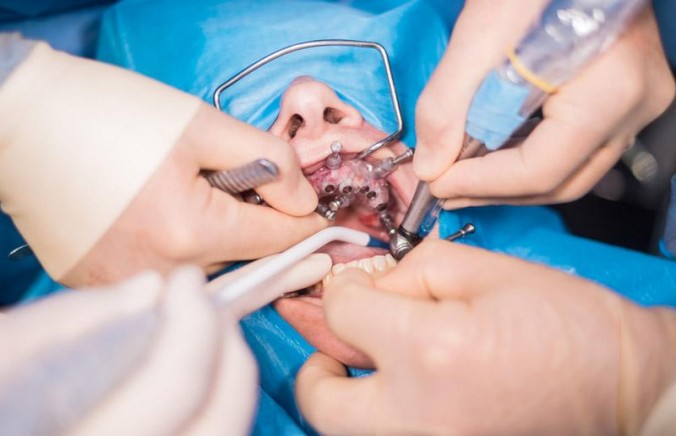
While diabetic patients face elevated risks, these risks are not insurmountable with proper pre-implant evaluation and management. The first step in mitigating risks is a comprehensive assessment that includes both oral and systemic health evaluations. Dental professionals should work closely with the patient’s endocrinologist or primary care physician to ensure that blood sugar levels are well-controlled before proceeding with implant surgery.
The International Team for Implantology (ITI) recommends that diabetic patients meet specific blood sugar criteria before implant placement: a fasting blood glucose level of ≤8.0 mmolL (ideal ≤7.0 mmolL), a postprandial (2-hour after eating) blood glucose level of ≤11.1 mmolL, and an HbA1c level of <7%. If a patient’s blood sugar levels are above these thresholds, implant surgery should be delayed until their diabetes is better controlled—often through adjustments to medication, diet, and lifestyle. A 2025 clinical study from Zhejiang University found that patients who achieved these blood sugar targets before implant surgery had a 5-year success rate of 85%, compared to 52% in patients with uncontrolled diabetes.
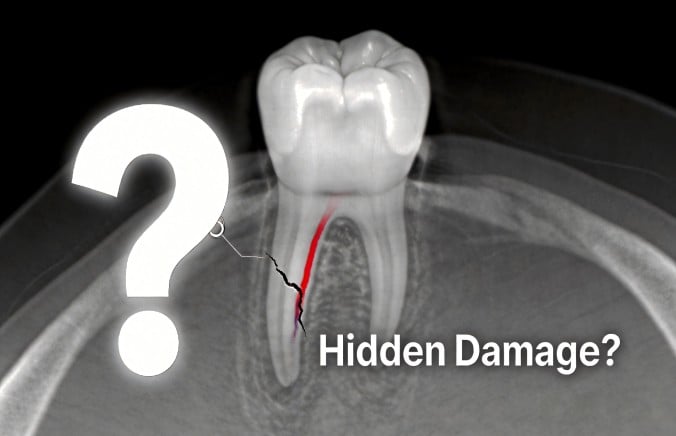
Oral evaluations should include a thorough examination of the jawbone using cone beam computed tomography (CBCT), which provides a detailed 3D image of the bone’s density, volume, and structure. This helps the dentist determine if the jawbone has sufficient quantity and quality to support an implant. If bone density is insufficient, bone augmentation techniques—such as bone grafting or sinus lift procedures—may be necessary to enhance the jawbone’s ability to support the implant. Additionally, any existing oral infections, such as periodontal disease or tooth decay, must be treated before implant surgery to reduce the risk of post-surgical complications.
Advertisement
Advertisement
Tips For Getting Free Dental Work
1. Be prepared to provide documentation of your income and place of residence.
Many free dental clinics require patients to provide proof of income and residence in order to qualify for services.
2. Call ahead to schedule an appointment.
Most free dental clinics require patients to make an appointment in advance.