Dental Implant
Research on the relationship between dental implants and bone density
12 mins Read
Last Updated :Advertisement
Methods and Strategies to Promote Increased Bone D
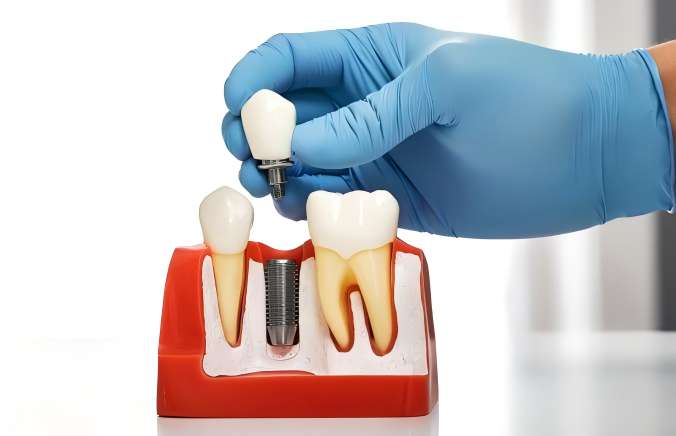
For patients with low bone density, promoting an increase in bone density is one of the keys to ensuring successful surgery. One common strategy is bone grafting, which means pieces of bone are taken from elsewhere in the body and then placed in the location of the dental implant. This method can increase the bone mass and density of the surgical site and improve the stability and success rate of the implant.
Another common strategy is the use of bone-proliferating substances. These substances can increase bone density by promoting the growth of new bone tissue. Some commonly used bone proliferating substances include bone matrix proteins, artificial bone, and growth factors. They are implanted into the surgical site and fuse with the surrounding bone to promote an increase in bone density.
In addition to external interventions, diet and nutrition are also important factors that promote increased bone density. Getting enough calcium and vitamin D can help your bones stay healthy and promote an increase in bone density. In addition, some studies show that increasing protein intake can also help improve bone density.
Application of individualized treatment in patient
The use of individualized therapy in patients with low bone density focuses primarily on preventing and treating the development of osteoporosis. Through detailed bone density testing and assessment, doctors can understand the patient's bone quality and then develop targeted treatment plans. For those patients with low bone density, additional measures, such as bone grafting, bone proliferating substances, or hormone treatments, may be needed to increase bone mass and density to provide more reliable support for dental implant surgery.
Individualized treatment can also be tailored to the patient's overall health and oral environment. The doctor will consider factors such as the patient's age, gender, disease history, and oral hygiene to develop a treatment plan that is most suitable for the patient. For example, in older patients, more careful selection of surgical options and implant materials may be needed to reduce the risk of postoperative complications.
Advertisement
Advertisement
Tips For Getting Free Dental Work
1. Be prepared to provide documentation of your income and place of residence.
Many free dental clinics require patients to provide proof of income and residence in order to qualify for services.
2. Call ahead to schedule an appointment.
Most free dental clinics require patients to make an appointment in advance.