Tooth KnowLedge
Poor oral hygiene can directly affect the lifespan of dental implants!
16mins Read
Last Updated :Advertisement
Professional Maintenance: Why Regular Dental Visits Are Non-Negotiable
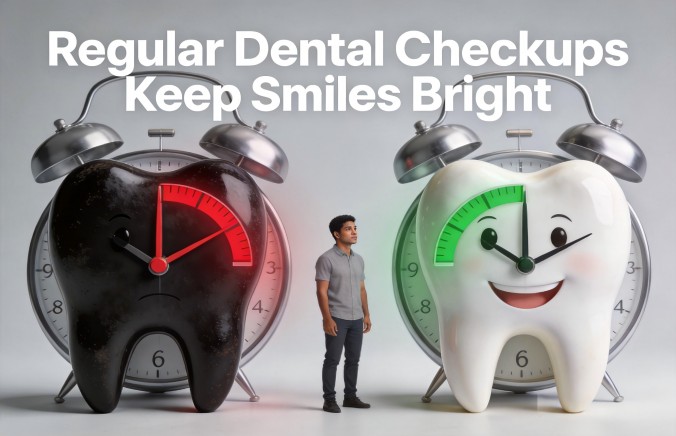
While daily home care is essential, it cannot replace regular professional maintenance. Even the most diligent patients cannot remove all plaque and tartar on their own—especially around the implant’s threads or under the crown. Professional cleanings and check-ups are critical for detecting early signs of peri-implant diseases and preventing long-term damage.
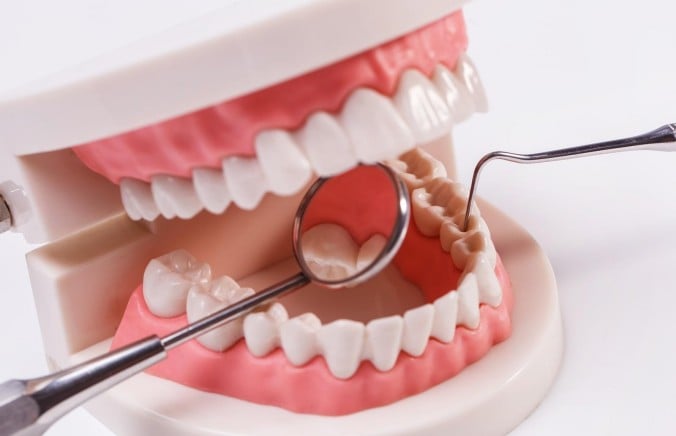
Dental professionals recommend that implant patients schedule check-ups and professional cleanings every 3–4 months for the first year after implant placement, and then at least twice a year thereafter. During these visits, your dentist or dental hygienist will: Remove tartar and plaque from around the implant using specialized tools (such as ultrasonic scalers or hand instruments) that are gentle on the implant surface; examine the peri-implant mucosa for signs of inflammation (redness, swelling, bleeding); take X-rays or CBCT scans to monitor bone density around the implant and detect early bone loss; and assess the implant’s stability using specialized tools like the Implant Stability Quotient (ISQ) device.
A 2024 study in PMC found that general dental practitioners (GDPs) play a fundamental role in providing supportive peri-implant care (SPIC), but many lack confidence in diagnosing early peri-implant diseases. In the UK, for example, 13% of GDPs report avoiding probing around implants for fear of complications, while 14% do not assess implants at all. For this reason, implant patients should consider seeing a prosthodontist or implant specialist for their follow-up care, as these professionals have specialized training in managing implant health.
Dr. Michael Johnson, an oral and maxillofacial surgeon at the University of California, San Francisco, emphasizes: “Professional maintenance is not a luxury—it’s a necessity for implant patients. Even if you brush and floss perfectly, tartar will still build up over time, and early signs of inflammation can be easy to miss. Regular visits allow us to catch problems early, before they become irreversible. Patients who skip these visits are 3 times more likely to develop peri-implantitis and lose their implants.” A 2025 study in PMC found that more frequent peri-implant maintenance reduces the risk of peri-implantitis, particularly in high-risk groups like smokers or patients with a history of periodontitis.
High-Risk Groups: Who Needs Extra Hygiene Care?
While all implant patients need to prioritize oral hygiene, some groups are at higher risk of developing peri-implant diseases and require extra care. These groups include:
1. Patients with a history of periodontal disease: If you had gum disease before getting implants, you’re at a higher risk of developing peri-implantitis. Periodontal disease damages the gum tissue and bone, making the peri-implant mucosa more vulnerable to inflammation. A 2025 systematic review found that periodontitis is a significant risk indicator for both peri-implant mucositis and peri-implantitis. These patients should work with their dentist to develop a more intensive hygiene routine and schedule more frequent check-ups.
2. Smokers: Smoking restricts blood flow to the gums and jawbone, slowing healing and increasing the risk of inflammation and infection. A 2025 study in PMC found that smokers have a 36.6% incidence of peri-implantitis, compared to 18.8% in non-smokers. The best way to reduce this risk is to quit smoking before getting implants and avoid it afterward. For patients who cannot quit, extra hygiene measures (such as more frequent professional cleanings) are essential.
3. Diabetic patients: Diabetes weakens the immune system, making it harder to fight off bacterial infections and slowing healing. Uncontrolled diabetes significantly increases the risk of peri-implantitis and implant failure. A 2025 systematic review found that diabetes mellitus is a significant risk indicator for peri-implantitis. Diabetic patients should maintain strict blood sugar control, follow a rigorous oral hygiene routine, and work closely with both their dentist and endocrinologist.
4. Older adults: As we age, saliva production decreases, and manual dexterity may decline—both of which make it harder to maintain good oral hygiene. Older adults are also more likely to have chronic conditions that increase the risk of peri-implant diseases. A 2025 dental care guide recommends that older implant patients use adaptive tools (such as electric toothbrushes with large handles) and consider assistance with daily oral care if needed.
5. Patients with multiple implants or implant-supported bridges: These patients have more surfaces where plaque can accumulate, making it harder to clean effectively. A 2024 study in PMC found that implant malposition and unfavorable prosthetic factors (such as poorly fitting bridges) can increase the risk of peri-implant diseases, especially in patients with poor oral hygiene. These patients should use an oral irrigator regularly and schedule more frequent professional cleanings.
Advertisement
Advertisement
Tips For Getting Free Dental Work
1. Be prepared to provide documentation of your income and place of residence.
Many free dental clinics require patients to provide proof of income and residence in order to qualify for services.
2. Call ahead to schedule an appointment.
Most free dental clinics require patients to make an appointment in advance.