Tooth KnowLedge
How often should you brush your teeth?
16mins Read
Last Updated :Advertisement
Brushing Frequency Around the World: Cultural Differences and Challenges
While the global consensus is twice-daily brushing, cultural differences and access to resources affect how many people actually follow this guideline. In high-income countries like the United States, Canada, and Western Europe, most adults brush twice a day—thanks to widespread oral health education and access to affordable toothbrushes and toothpaste. However, in low- and middle-income countries, the picture is different. A 2023 WHO report found that only 40% of adults in sub-Saharan Africa and 55% in South Asia brush twice a day. Barriers include limited access to oral health products (toothbrushes, toothpaste), lack of education about the importance of brushing frequency, and cultural practices that prioritize other health needs.
In some cultures, traditional oral hygiene practices are used alongside or instead of brushing. For example, in parts of India, people use neem twigs to clean their teeth—a practice that can remove some plaque but is not as effective as brushing with fluoride toothpaste. In other regions, chewing gum or using mouthwash is seen as a substitute for brushing, which is ineffective. However, progress is being made: global organizations like the FDI and WHO are working to increase access to oral health products and education in low-income countries, emphasizing the importance of twice-daily brushing. For the international audience, it’s important to recognize that while resources may vary, the science behind brushing frequency remains the same—twice a day is the minimum for everyone, regardless of culture or location.
The Role of Brushing Technique: Frequency Isn’t Everything
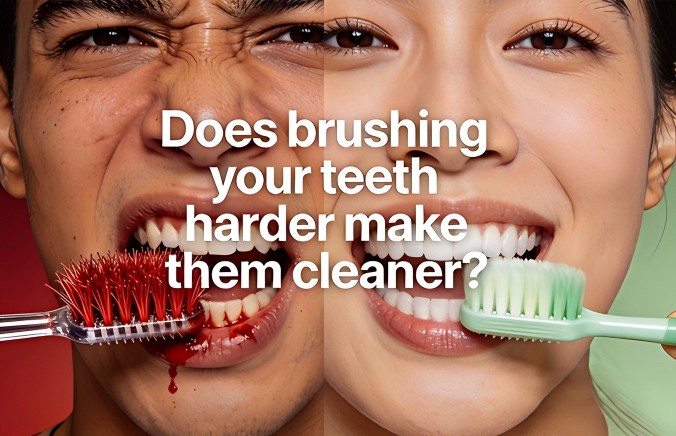
It’s easy to focus on how often you brush, but the technique you use is just as important—if not more so. Even if you brush twice a day, a poor technique can leave plaque behind, leading to cavities and gum disease. The correct technique involves using a soft-bristled toothbrush, holding it at a 45-degree angle to the gumline, and using gentle circular motions to remove plaque. Brushing too hard, using a sawing motion, or missing hard-to-reach areas (like the back of the molars) renders even twice-daily brushing ineffective.
A 2025 study published in the International Journal of Dental Hygiene found that 70% of people worldwide use an incorrect brushing technique, even though they brush twice a day. This means they’re not removing enough plaque, leading to oral health issues despite following the frequency guideline. To ensure your brushing is effective, use a timer to brush for at least two minutes (one minute per side of the mouth), focus on all surfaces of the teeth (front, back, and chewing surfaces), and avoid rushing. Electric toothbrushes can be helpful for those who struggle with technique, as they often have built-in timers and pressure sensors to prevent over-brushing. Remember: frequency without proper technique is a waste of time—both are needed to protect your oral health.
Practical Tips for Maintaining a Twice-Daily Brushing Routine
For many people, the biggest challenge is not knowing how often to brush, but remembering to brush twice a day. Busy schedules, travel, and fatigue can make it easy to skip a brushing session. Fortunately, there are simple tips to help you stay consistent, no matter where you are in the world. First, keep your toothbrush and toothpaste in a visible place—like next to your sink or in your bag if you’re on the go. This serves as a reminder to brush. Second, set a timer or use a toothbrush with a built-in timer to ensure you brush for two minutes. Third, pair brushing with another daily habit—like brushing after breakfast or before getting into bed—to make it part of your routine.
For travelers or people with limited access to clean water, there are alternatives: portable toothbrushes, travel-sized toothpaste, and even fluoride mouthwash (when brushing isn’t possible) can help maintain oral hygiene. In areas where toothpaste is scarce, using a small amount of salt mixed with water can temporarily clean the teeth, though it’s not a substitute for fluoride toothpaste. For children, making brushing fun—using colorful toothbrushes, flavored toothpaste, or brushing along to a song—can help establish a lifelong habit. Remember, consistency is key: even on busy days, taking two minutes to brush twice a day can prevent permanent oral damage.
Advertisement
Advertisement
Tips For Getting Free Dental Work
1. Be prepared to provide documentation of your income and place of residence.
Many free dental clinics require patients to provide proof of income and residence in order to qualify for services.
2. Call ahead to schedule an appointment.
Most free dental clinics require patients to make an appointment in advance.