Periodontal disease leads to tooth loss, and dental implants provide efficient restoration
Tooth KnowLedge
Periodontal disease leads to tooth loss, and dental implants provide efficient restoration
16mins Read
Last Updated :
Advertisement
Debunking Common Myths About Dental Implants
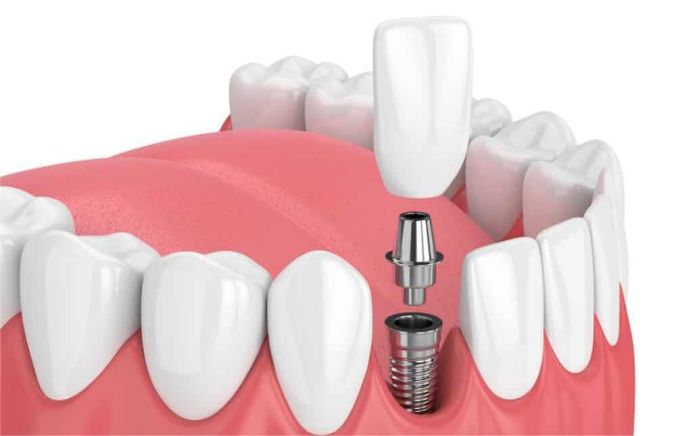
Despite their effectiveness, dental implants are surrounded by myths that prevent many people from considering them as a restoration option—especially in regions with limited access to information. One of the most common myths is: “Dental implants are painful.” In reality, implant surgery is performed under local anesthesia, and most patients report less pain than a tooth extraction. Post-surgery discomfort is mild and manageable with over-the-counter pain medication, and it fades within a few days. Another prevalent myth is: “Dental implants are too expensive.” While implants are initially more costly than dentures or bridges, they are a long-term investment—they last a lifetime, while dentures need to be replaced every 5-10 years, and bridges every 10-15 years. Over time, implants are often more cost-effective than repeated replacements of traditional restorations.
A third myth is: “Dental implants are not suitable for people with periodontal disease.” This is false—while periodontal disease must be treated and controlled before implant placement, implants are often the best option for patients who lost teeth to gum disease. The key is to address the underlying inflammation and bone loss first, through deep cleanings, gum surgery, or bone grafting, to ensure the implant has a stable foundation. A 2024 study confirmed that with proper case selection, meticulous surgical technique, and post-operative care, implants have high success rates even in patients with a history of periodontitis. Another myth is: “Dental implants require special care.” In truth, implants require the same care as natural teeth—regular brushing, flossing, and dental checkups. There is no need for special cleaners or maintenance, making them a convenient option for busy individuals.
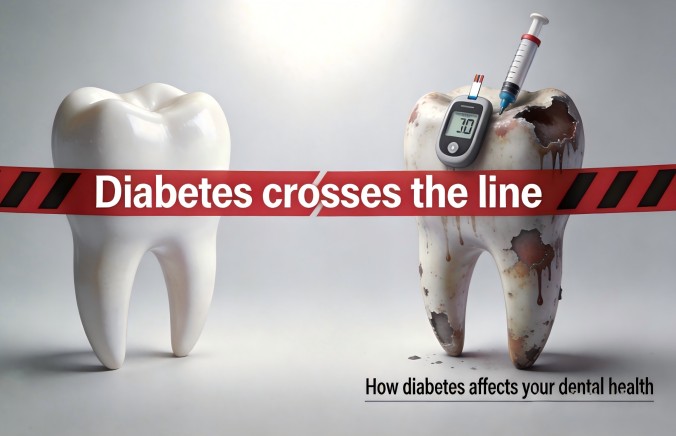
Finally, many people believe that “dental implants are only for young people” or “older adults cannot get implants.” This is incorrect—age is not a barrier to implant placement, as long as the patient has enough bone density and overall health to undergo surgery. Older adults often benefit most from implants, as they eliminate the hassle of dentures and improve chewing function, leading to better nutrition and quality of life. The only real contraindications for implants are severe systemic diseases (like uncontrolled diabetes or heart disease) or insufficient bone density (which can often be addressed with bone grafting).
Preventing Periodontal Disease: The First Line of Defense Against Tooth Loss
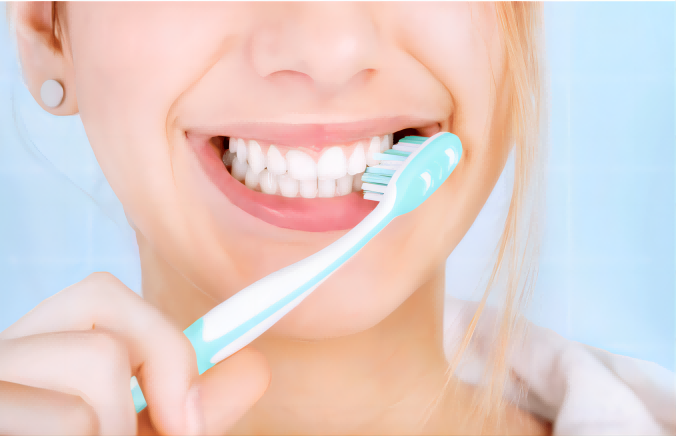
While dental implants offer an excellent solution for tooth loss caused by periodontal disease, prevention is always better than cure. The good news is that periodontal disease is largely preventable with simple, consistent oral hygiene habits and regular dental care. The foundation of prevention is removing plaque daily through brushing and flossing: brush twice a day for at least two minutes with a soft-bristled toothbrush and fluoride toothpaste, and floss daily to remove plaque between the teeth and along the gumline—areas that a toothbrush cannot reach.
Regular professional cleanings (every 6 months) are also critical, as they remove tartar (which cannot be removed by brushing or flossing) and allow dentists to detect early signs of gingivitis before it progresses to periodontitis. For people at high risk of periodontal disease—smokers, diabetics, and those with a family history—more frequent cleanings (every 3-4 months) may be recommended. Quitting smoking, managing diabetes, maintaining a healthy diet low in sugar, and drinking plenty of water (to prevent dry mouth) also help reduce the risk of periodontal disease.
For the international audience, prevention efforts must address regional barriers: in low- and middle-income countries, access to affordable toothbrushes, toothpaste, and dental care is limited, making it difficult for people to maintain proper oral hygiene. Global organizations like the WHO and FDI are working to address these gaps, providing oral health education, distributing affordable oral hygiene products, and training dental professionals to provide preventive care. In regions where traditional oral hygiene practices (like neem twigs or saltwater rinses) are common, these practices can be complemented with modern methods to improve effectiveness.