Oral health
Your Mouth, Your Health: How Oral Health Affects Overall Well-Being
15mins Read
Last Updated :Advertisement
Respiratory Health and Oral Bacteria
Oral bacteria can also affect respiratory health. In some cases, bacteria from the mouth may be inhaled into the lungs, especially in individuals with weakened immune systems or underlying respiratory conditions.
When harmful bacteria reach the lungs, they can contribute to respiratory infections. This risk is particularly significant for older adults or people who spend extended time in hospitals or care facilities.
Maintaining clean teeth and gums can help reduce the number of harmful bacteria in the mouth and lower the chance of respiratory complications.
Pregnancy and Oral Health
Pregnancy brings many changes to the body, including hormonal fluctuations that can affect the gums. Some pregnant individuals experience increased gum sensitivity or swelling, sometimes referred to as pregnancy gingivitis.
Poor oral health during pregnancy may also be associated with certain complications. Inflammation and infection in the gums can potentially influence overall health during pregnancy, making regular dental care especially important during this time.
Dentists often recommend that expectant parents maintain excellent oral hygiene and continue routine dental visits to prevent oral health problems from developing.
The Impact on Nutrition and Digestion
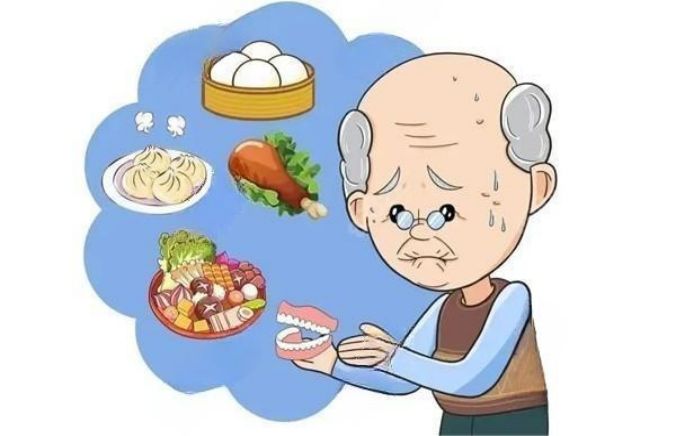
Healthy teeth are essential for proper chewing, which is the first step in digestion. When teeth are damaged, missing, or painful, individuals may avoid certain foods that are difficult to chew.
This can lead to dietary changes that reduce the intake of important nutrients such as fruits, vegetables, and protein-rich foods. Over time, these changes may affect overall nutrition and general health.
By keeping teeth strong and functional, people are better able to maintain a balanced diet and support healthy digestion.
Mental Health and Confidence
Oral health also plays a role in emotional well-being and self-confidence. Problems such as missing teeth, chronic bad breath, or visible dental damage can make individuals feel self-conscious in social situations.
Smiling, speaking, and interacting with others may become uncomfortable when people are worried about their dental appearance. These feelings can affect confidence, social participation, and even professional opportunities.
Maintaining healthy teeth and gums can therefore contribute not only to physical health but also to psychological and social well-being.
Preventive Dental Care Matters
The good news is that most oral health problems can be prevented with simple daily habits and regular dental visits.
Effective preventive care includes:
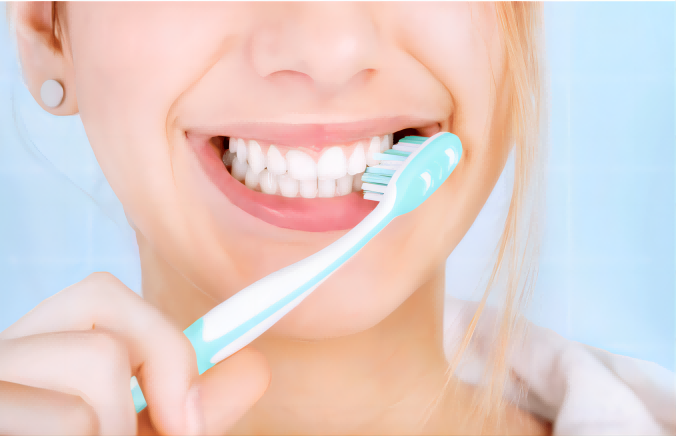
Brushing teeth at least twice a day
Flossing daily to remove plaque between teeth
Using fluoride toothpaste
Limiting sugary foods and drinks
Visiting a dentist for routine checkups and cleanings
Preventive care helps remove plaque and bacteria before they can cause serious dental problems.
Regular Dental Checkups
Professional dental examinations allow dentists to identify early signs of oral health problems before they become severe. Early treatment is often simpler, less expensive, and more effective than addressing advanced dental conditions.
Dental professionals can also detect early signs of systemic health issues during oral examinations. In some cases, symptoms appearing in the mouth may be the first indication of other medical conditions.
Regular checkups therefore play an important role in protecting both oral and overall health.
Advertisement
Advertisement
Tips For Getting Free Dental Work
1. Be prepared to provide documentation of your income and place of residence.
Many free dental clinics require patients to provide proof of income and residence in order to qualify for services.
2. Call ahead to schedule an appointment.
Most free dental clinics require patients to make an appointment in advance.