
Tooth KnowLedge
Why do you need to control your blood pressure and blood sugar before getting dental implants?
14 mins Read
Last Updated :Advertisement
For Patients With Diabetes
1. Consult an endocrinologist: Schedule an appointment to assess your blood sugar control. If your glycated hemoglobin (HbA1c) is higher than 7.5%, your doctor may adjust your medications (such as insulin dosage, oral hypoglycemic agents) or diet to lower HbA1c levels. For people with type 1 diabetes, this may involve adjusting insulin infusions to maintain stable blood sugar.
2. Follow a diabetes-friendly diet: Focus on a balanced diet, reducing your intake of refined sugars, processed foods, and carbohydrates. Increase your intake of vegetables, lean protein, and healthy fats to stabilize blood sugar. Avoid sugary drinks, candy, and high-carbohydrate foods, as these can cause blood sugar spikes.
3. Monitor your blood sugar: Monitor your fasting blood sugar daily and regularly monitor your postprandial blood sugar (2 hours after meals). The goal is to keep fasting blood sugar below 8 mmolL and postprandial blood sugar below 10 mmolL. Record your blood sugar data to share with your doctor and dentist and to be prepared to adjust your medications if necessary.
4. Inform your dentist: Please inform your dentist about your diabetes history, medication list, glycated hemoglobin (HbA1c) results, and any complications (such as kidney disease or nerve damage). Your dentist may prescribe antibiotics before and after surgery to reduce the risk of infection and will closely monitor your healing—and may schedule more frequent follow-up appointments.
Global Perspectives: Access to Pre-Surgical Care for Hypertension and Diabetes
Advertisement
Tips For Getting Free Dental Work
1. Be prepared to provide documentation of your income and place of residence.
Many free dental clinics require patients to provide proof of income and residence in order to qualify for services.
2. Call ahead to schedule an appointment.
Most free dental clinics require patients to make an appointment in advance.
Dental Articles
-
-
Tooth KnowLedge
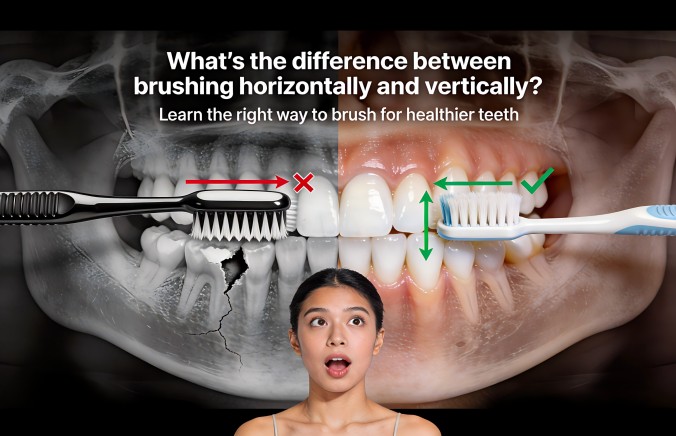
20mins Read - Are you brushing your teeth the right way? Horizontal vs. vertical brushing: a huge difference in direction and effect.
-
-

-
Oral health
12min Read - Different types of toothaches may indicate different oral health problems!
-
-

-
Dental Implant
12 mins Read - How to choose dental implants for children, teenagers, and the elderly
-
-
-
Dental Implant
12 mins Read - Selection and comparison of advantages and disadvantages of full mouth planting and small amount planting
-
-
-
Tooth KnowLedge
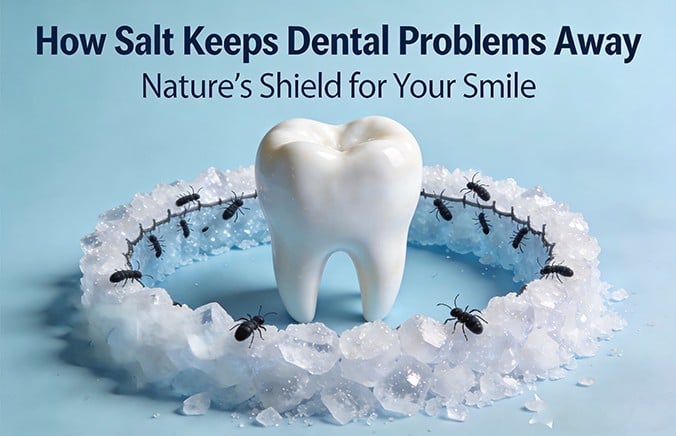
14 mins Read - How Salt Keeps Dental Problems Away
-
-

-
Dental insurance
10 mins Read - Dentist bills cut in half? Dental insurance can help you with it!
-
-
-
Tooth KnowLedge
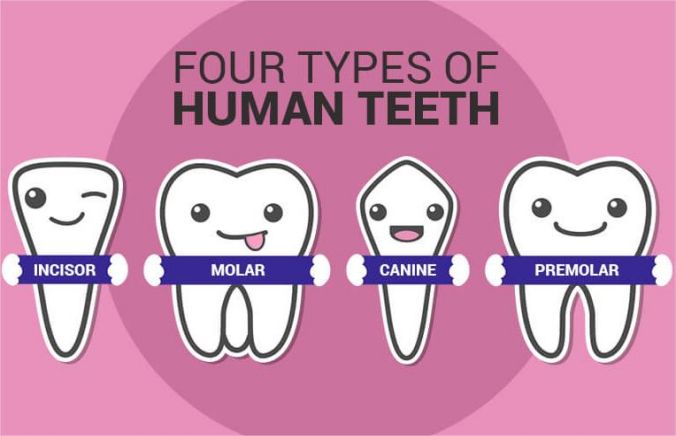
10 mins Read - It turns out there are so many types of teeth!
-
-
-
Tooth KnowLedge
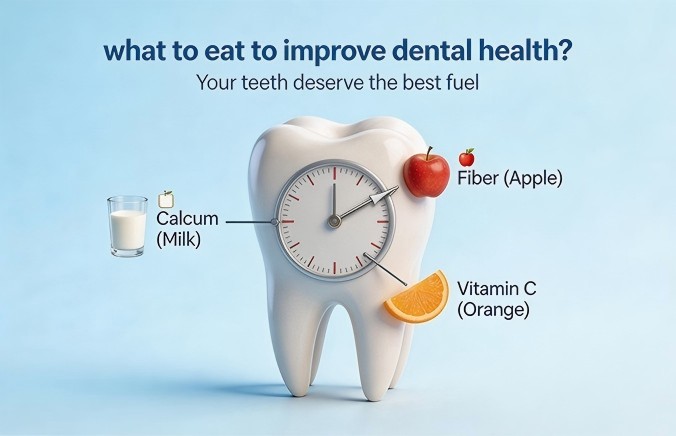
15mins Read - What to eat to improve dental health?
-
-
-
Tooth KnowLedge
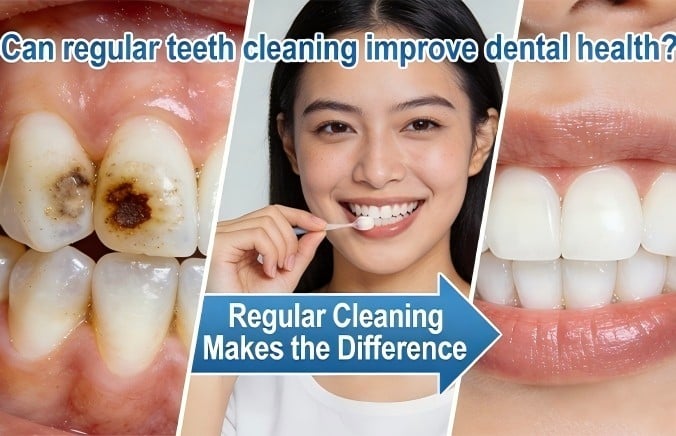
15mins Read - Can Regular Teeth Cleaning Improve Dental Health?
-