Tooth KnowLedge
Is there a relationship between dental implants and osteoporosis?
15mins Read
Last Updated :Advertisement
What You Should Do If You Have Osteoporosis and Want Implants
If you have osteoporosis and are considering dental implants, the most important step is to be proactive and transparent with your dental and medical care teams. Here’s a step-by-step guide to help you navigate the process: First, schedule a consultation with a prosthodontist or oral and maxillofacial surgeon who has experience treating osteoporotic patients. These specialists have the training and expertise to assess your bone health and develop a personalized treatment plan. Be sure to bring your medical records, including bone density test results and a list of all medications you are taking, to this consultation.
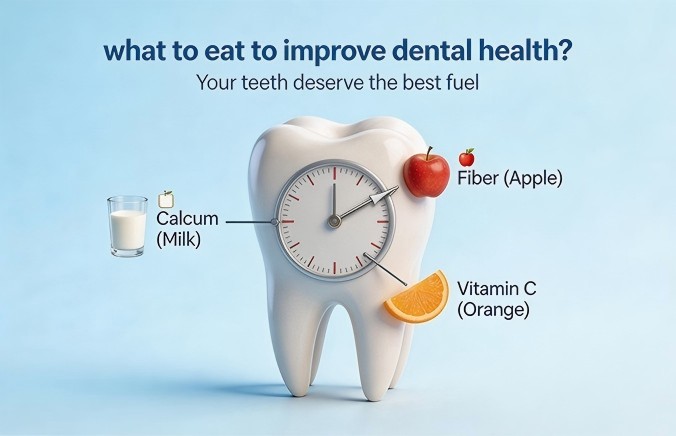
Second, discuss your osteoporosis treatment with your physician. Your doctor can provide guidance on whether a drug holiday is necessary before implant surgery and how to manage your osteoporosis during the healing period. It’s also important to optimize your bone health before surgery by ensuring you get enough calcium (1,200–1,500 mg per day) and vitamin D (800–1,000 IU per day), which are essential for bone formation. Regular weight-bearing exercise, such as walking or dancing, can also help improve bone density and strength.
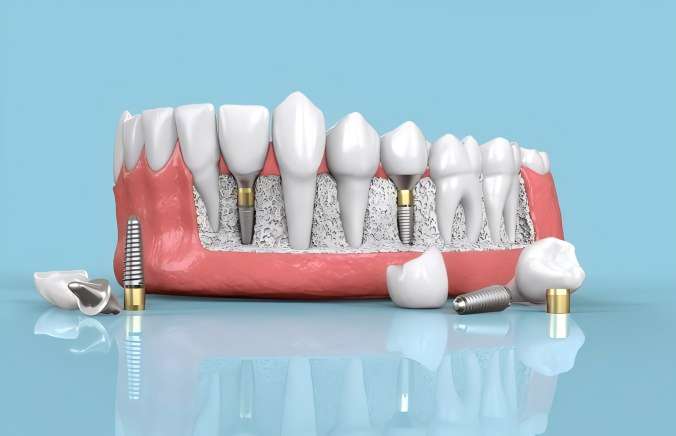
Third, ask your dentist about the specific techniques they will use to ensure implant success. This may include bone grafting, specialized implant designs, or extended healing times. Be sure to discuss the risks and benefits of implant treatment, including the risk of MRONJ and implant failure, so you can make an informed decision. Finally, commit to long-term follow-up care. After implant placement, your dentist will monitor the implant’s stability and the surrounding bone health regularly, typically every 3–6 months for the first year and annually thereafter. This monitoring is critical for detecting early signs of bone loss or implant loosening and addressing them before they become more serious.
The Future of Implant Care for Osteoporotic Patients
As the global population ages and the prevalence of osteoporosis continues to rise, researchers and dental professionals are working to develop new technologies and techniques to improve implant outcomes for osteoporotic patients. One promising area of research is the use of growth factors and stem cell therapy to enhance bone regeneration. Growth factors, such as bone morphogenetic proteins (BMPs), can stimulate bone-forming cells to grow and multiply, accelerating osseointegration and improving bone density around implants. Stem cell therapy, which uses the patient’s own stem cells to regenerate bone tissue, is also being explored as a way to enhance jawbone quality in osteoporotic patients.
Another area of innovation is the development of smart implants, which can monitor bone density and implant stability in real time. These implants are equipped with sensors that send data to a mobile app or computer, allowing dentists to track the implant’s performance and detect early signs of failure. This technology could be particularly valuable for osteoporotic patients, who are at higher risk of bone loss and implant loosening. Additionally, advances in 3D printing technology are making it possible to create custom implants that fit the unique shape and structure of the patient’s jawbone, improving stability and reducing the need for bone grafting.
Research is also focused on improving our understanding of the relationship between osteoporosis and oral health. A 2025 study published in the Journal of Bone and Mineral Research found that treating osteoporosis with denosumab may actually improve implant osseointegration by reducing bone resorption and increasing bone density around the implant site. This finding suggests that some osteoporosis medications may have a dual benefit—treating the systemic condition while also supporting implant success. As more research is conducted, we can expect to see more personalized treatment approaches that leverage these insights to improve outcomes for osteoporotic patients.
Advertisement
Advertisement
Tips For Getting Free Dental Work
1. Be prepared to provide documentation of your income and place of residence.
Many free dental clinics require patients to provide proof of income and residence in order to qualify for services.
2. Call ahead to schedule an appointment.
Most free dental clinics require patients to make an appointment in advance.