Tooth KnowLedge
Did You Know? Surprising Facts About Dental Health You Need to Know
14 mins Read
Last Updated :Advertisement
Common Dental Myths: Debunking What You Think You
When it comes to dental health, there are countless myths and misconceptions that have been passed down through generations. These myths can lead to poor oral care habits and unnecessary anxiety about dental treatments. Let’s debunk some of the most common dental myths with facts backed by science.
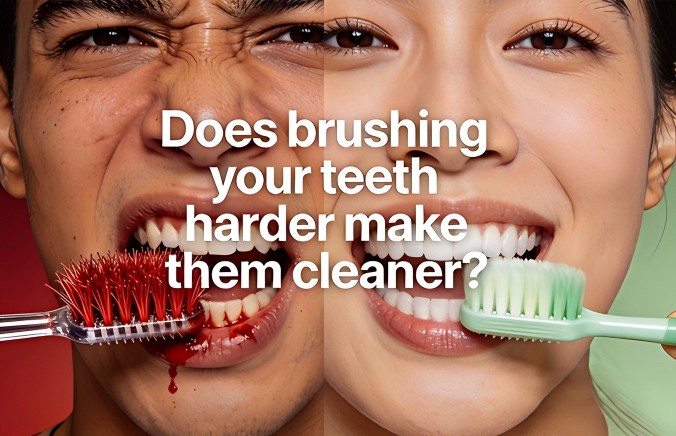
Myth #1: “Brushing harder makes your teeth cleaner.” Fact: Brushing too hard can actually damage your teeth and gums. Aggressive brushing can wear away tooth enamel, leading to sensitivity and tooth decay, and it can also irritate the gums, causing them to recede. The correct way to brush is with a soft-bristled toothbrush and gentle, circular motions—applying just enough pressure to remove plaque without damaging your teeth or gums. Dentists recommend brushing for two minutes, twice a day, using a fluoride toothpaste.
Myth #2: “Flossing is optional.” Fact: Flossing is just as important as brushing, if not more so. Brushing only cleans about 60% of the tooth surface—flossing is needed to clean the spaces between the teeth and along the gumline, where plaque and food particles can get trapped. Without flossing, these areas can develop plaque buildup, leading to gum disease and cavities. The American Dental Association recommends flossing once a day, preferably before bed, to remove plaque and prevent oral health issues.
Myth #3: “Sugar is the only cause of tooth decay.” Fact: While sugar is a major contributor to tooth decay, it’s not the only cause. Any food or drink that contains carbohydrates (including bread, pasta, rice, and fruit) can feed the bacteria in your mouth, which produce acid that erodes tooth enamel. Even diet soda, which contains no sugar, can be harmful because it is highly acidic—acidic drinks can wear away enamel over time, leading to tooth decay and sensitivity. The key is to limit your intake of acidic and sugary foodsdrinks, and to brush or rinse your mouth after consuming them.
Myth #4: “If you don’t have a toothache, your teeth are healthy.” Fact: Many dental issues, such as cavities and gum disease, do not cause pain until they reach an advanced stage. For example, a cavity may not cause pain until it reaches the pulp of the tooth, and gum disease may not cause symptoms until the gums start to bleed or recede. This is why regular dental check-ups are so important—dentists can detect early signs of dental issues before they become painful or require expensive treatment. Most dentists recommend a check-up every six months, even if you have no symptoms.
Myth #5: “Teeth whitening is bad for your teeth.” Fact: When done correctly, teeth whitening is safe and effective. Over-the-counter whitening products (like whitening strips and toothpaste) and professional whitening treatments (performed by a dentist) use safe concentrations of hydrogen peroxide or carbamide peroxide to remove stains from the surface of the teeth. However, excessive whitening or using unregulated products can cause tooth sensitivity and damage to the enamel. It’s important to follow the instructions on whitening products and to consult a dentist before starting any whitening treatment, especially if you have sensitive teeth or gum issues.
Advertisement
Advertisement
Tips For Getting Free Dental Work
1. Be prepared to provide documentation of your income and place of residence.
Many free dental clinics require patients to provide proof of income and residence in order to qualify for services.
2. Call ahead to schedule an appointment.
Most free dental clinics require patients to make an appointment in advance.