Tooth KnowLedge
Poor oral hygiene can directly affect the lifespan of dental implants!
16mins Read
Last Updated :Advertisement
Myths vs. Facts: Common Misconceptions About Implant Hygiene
One of the biggest barriers to good implant care is the prevalence of myths and misconceptions about oral hygiene for implants. Many patients assume that because implants are “artificial,” they don’t require the same care as natural teeth—or that once the implant is placed, they’re “set for life.” These myths can be costly, leading to poor hygiene habits and eventual implant failure. Let’s debunk the most common ones:
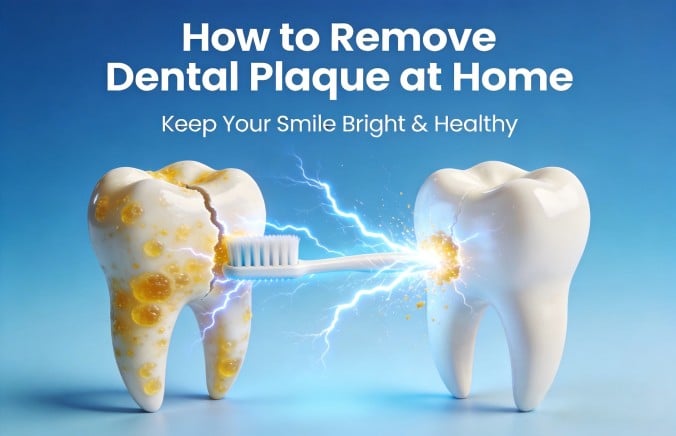
Myth 1: “Implants don’t get cavities, so I don’t need to brush them.” Fact: While implants cannot develop cavities (they’re made of titanium, which is resistant to tooth decay), they are still vulnerable to peri-implant diseases caused by bacteria. Brushing and flossing are critical to removing plaque and preventing inflammation. A 2025 dental care guide notes that implants require even more careful cleaning than natural teeth, as their soft tissue seal is more delicate.
Myth 2: “I had a professional cleaning after my implant surgery—now I’m good to go.” Fact: Professional cleanings are essential, but they cannot replace daily home care. Plaque forms within 24 hours of brushing, so daily cleaning is necessary to prevent buildup. The AOAAP consensus on peri-implant care emphasizes that supportive peri-implant maintenance—including both home care and professional cleanings—is essential for long-term implant health. Most dental professionals recommend professional cleanings every 3–4 months for implant patients, compared to every 6 months for patients with natural teeth.
Myth 3: “Flossing around implants is too risky—it will damage the implant.” Fact: Flossing is safe and necessary for implant care, as long as you use the right technique. Using dental floss or interdental brushes designed for implants (which are softer and more flexible) helps remove plaque from between the implant and adjacent teeth—an area where a toothbrush cannot reach. A 2025 systematic review found that interdental aids like interproximal brushes and oral irrigators are more effective than floss in reducing inflammation around implants, but any form of interdental cleaning is better than none.
Myth 4: “If my implant feels fine, my oral hygiene is good enough.” Fact: Peri-implant diseases often have no obvious symptoms in the early stages. By the time you feel pain or notice looseness, significant damage has already occurred. Regular dental check-ups are critical for detecting early signs of inflammation or bone loss that you might not notice on your own. A 2024 study in PMC found that many general dentists lack confidence in diagnosing early peri-implant diseases, which is why implant patients should see a prosthodontist or implant specialist for regular follow-ups.
The Right Way to Clean Dental Implants: Step-by-Step Guidance
Cleaning dental implants is not complicated, but it does require consistency and the right tools. Unlike natural teeth, implants have a smooth, polished surface that can be damaged by harsh brushing or abrasive toothpaste. The goal is to remove plaque gently but thoroughly, without irritating the peri-implant mucosa. Here’s a step-by-step guide, based on the latest clinical recommendations from dental authorities:
1. Choose the right toothbrush: Use a soft-bristled manual toothbrush or an oscillating-rotating electric toothbrush, which has been shown to be more effective at removing plaque around implants than manual brushes. Avoid hard-bristled brushes, which can scratch the implant surface and irritate the gums. For patients with limited dexterity (such as older adults or those with arthritis), electric toothbrushes with larger handles or adaptive heads are ideal.
2. Use the correct brushing technique: Hold the toothbrush at a 45-degree angle to the implant, and brush gently in circular motions around the base of the implant (where the implant meets the gums). Focus on the area where the implant and crown connect—this is where plaque and tartar most commonly accumulate. Brush for at least two minutes, twice a day, making sure to clean all surfaces of the implant crown and adjacent teeth.
3. Floss daily with implant-specific floss: Use unwaxed floss or floss designed for implants (which is thinner and more flexible) to clean between the implant and adjacent teeth. Thread the floss gently around the implant, and move it up and down to remove plaque—avoid snapping the floss, which can irritate the soft tissue. For hard-to-reach areas, use interdental brushes (also called proxy brushes) that are sized to fit between the implant and teeth. A 2025 study found that these tools are more effective than traditional floss at reducing inflammatory markers around implants.
4. Use an oral irrigator (water flosser): An oral irrigator uses a stream of water to remove plaque from hard-to-reach areas, such as between the implant and gums. It’s especially useful for patients with bridges or multiple implants, where flossing can be difficult. Look for an oral irrigator with a low-pressure setting to avoid damaging the peri-implant mucosa. Stannous fluoride-based rinses can also provide anti-inflammatory benefits, while prolonged use of chlorhexidine rinses should be avoided as they may elevate inflammatory cytokines.
5. Avoid abrasive products: Do not use toothpaste with baking soda, whitening agents, or other abrasives, as they can scratch the implant surface and make it more prone to plaque buildup. Instead, use a mild, non-abrasive toothpaste designed for sensitive teeth or implants. Triclosan-containing toothpastes have been shown to outperform fluoride-only formulations in reducing plaque and inflammation around implants.
Advertisement
Advertisement
Tips For Getting Free Dental Work
1. Be prepared to provide documentation of your income and place of residence.
Many free dental clinics require patients to provide proof of income and residence in order to qualify for services.
2. Call ahead to schedule an appointment.
Most free dental clinics require patients to make an appointment in advance.